
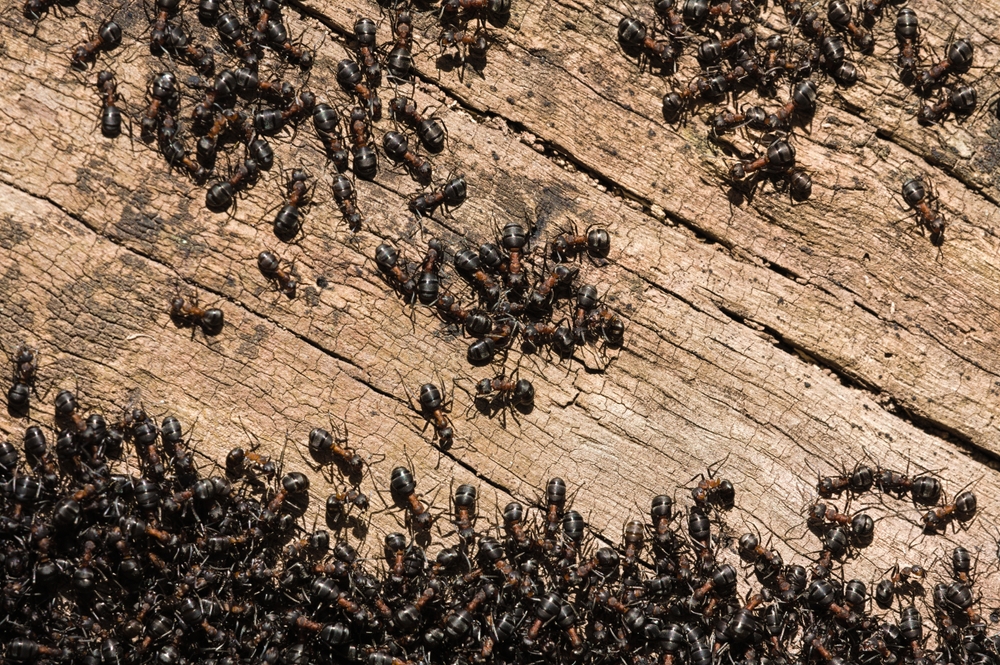
Discovering a carpenter ant infestation inside your home brings immediate concern about structural integrity. These large insects excavate wood to build nests, weakening the framework of buildings over time. Property owners frequently ask how professional teams like Quality Affordable Pest Control get rid of carpenter ants, especially when damage appears in structural beams or floor joists. Unlike termites, what a carpenter ant eats does not include wood; they do not possess the enzymes to digest cellulose. Instead, they merely chew through timber to create smooth “galleries” for their growing colonies and reproductive cycles.
Understanding the methods professionals use helps you protect your investment from long-term degradation. When you hire an expert, they explain how to eliminate these pests using a combination of baiting, moisture control, and localized treatments. Because these ants can establish multiple colonies within a single structure, a casual approach is rarely successful.
Visual Cues: Identifying an Active Infestation
Proper identification is the foundation of a successful treatment plan. You must know exactly what insect you face before attempting to manage populations around your foundation or attic. The black carpenter ant is one of the most destructive pests in the northern hemisphere, often overlooked until the colony has matured and began producing winged reproductives. Recognizing physical traits helps Quality Affordable Pest Control distinguish them from harmless nuisance ants that might enter during a summer heatwave or after heavy rain.
Physical Characteristics and Ant Size
A mature carpenter ant displays distinct traits that make identification straightforward for a trained eye. The typical ant size ranges from one-quarter to one-half inch long, making them significantly larger than standard house ants. Most feature a dark brown or solid black body, though some subspecies exhibit a reddish thorax.
Because they are primarily nocturnal, you might need a flashlight to see them moving along established pheromone trails at night. Key indicators include a rounded thorax and a heart-shaped head. Observing these features allows a pest control in Etobicoke specialist to determine the exact species and choose the most effective baiting method. Identifying the specific caste, whether it is a minor worker or a larger major worker, also helps technicians estimate the total age and health of the colony.
Signs of an Active Colony
The presence of dead ants near windowsills or baseboards frequently provides the first clue of an invasion. If you see winged swarmers inside your home during the spring, it indicates an active, mature colony lives within the walls. This requires immediate action from an ant exterminator in Aurora to prevent severe structural issues that could cost thousands in repairs. These swarmers are the future queens and kings of new colonies, and their presence suggests the parent nest has been established for at least three to five years.
Tracking the Evidence: Frass and Damaged Wood
Because carpenter ants do not eat wood for nutrition, they must push excavated material out of their tunnels regularly to keep the galleries clean for the queen and larvae. This behavior leaves behind “frass”, fine wood shavings that look like coarse sawdust. Finding these piles below baseboards, inside cabinets, or near door frames signals a nearby nest. Unlike termite debris, frass often contains the remains of dead insects that the ants have scavenged and discarded.
Professionals also search for wood that sounds hollow when tapped with a tool. Carpenter ant galleries feature surprisingly smooth, clean walls, which distinguishes them from the messy, mud-filled tunnels left by termites. When a professional discovers these smooth galleries, they know they are dealing with a biological architect that requires a strategic response rather than just a surface spray.
Strategic Elimination: How the Pros Win
When homeowners ask how to get rid of these pests, the answer involves a multi-faceted approach targeting the colony’s biology and social structure. Professionals use non-repellent liquid insecticides that ants cannot detect. Workers walk across treated surfaces and carry the active ingredient back to the nest, spreading it to the queen through grooming and feeding. This “transfer effect” is the most efficient way to make certain the entire carpenter ant population is eliminated from the property.
Professional Treatment Methods
| Method | Application | How it Works |
| Baiting | Foraging Trails | Ants take toxic food back to the queen for total hive collapse. |
| Foaming | Wall Voids | Expanding foam reaches hidden satellite nests in inaccessible gaps. |
| Dusting | Electric Outlets | Long-lasting powders stick to ants and dehydrate the colony. |
| Perimeter Barrier | Home Exterior | A chemical “fence” prevents new scouts from entering the structure. |
A skilled technician will also focus on locating both the primary parent nest (usually outdoors in a stump or firewood) and indoor satellite nests. If you only destroy the indoor nest, the parent colony will simply send more workers to re-infest the home within weeks. This dual-action approach is the gold standard for modern professionals.
Environmental Modifications and Prevention
To keep carpenter ants away for the long term, you must address the conditions that attracted them in the first place. A carpenter ant is highly sensitive to humidity and constantly seeks out a moist environment for its larvae. By changing the environment, you make your home a hostile place for their survival.
- Trim Vegetation: Keep tree branches and shrubs at least two feet away from the roofline so ants cannot use them as a highway into your attic.
- Manage Moisture: Repair leaky pipes, clogged gutters, and poorly sealed windows immediately. Moisture-damaged wood is the primary attractant for scouts.
- Remove Debris: Clear old logs, rotting stumps, and firewood piles from the immediate vicinity of the foundation. Firewood should be stored off the ground.
- Sanitation: Store household food, especially sweets, fats, and proteins, in airtight containers. Clean up spills on kitchen counters immediately.
- Seal Entries: Use high-quality caulk to close cracks in the foundation or gaps around utility lines where pipes enter the home.
Why Choose Professional Standards?
Integrated Pest Management (IPM) is the industry standard for managing these populations safely and effectively. This approach focuses on long-term prevention through biological knowledge and habitat modification rather than just blindly spraying chemicals. This systematic method makes certain that the root cause of the infestation is addressed, providing a permanent solution rather than a temporary fix. Quality Affordable Pest Control offers a guarantee on their work, providing peace of mind that the structural integrity of your home is protected against future invasions.By following expert advice on moisture control and wood removal, you can keep your living space secure and preserve your property value. Understanding the lifecycle and nesting habits of these resilient insects is the first step toward a pest-free future. If you suspect an infestation, contact Quality Affordable Pest Control immediately to assess your specific situation and stop the damage before it spreads into the core of your home. Contact us today to schedule a thorough inspection and safeguard your home from wood-destroying pests.