
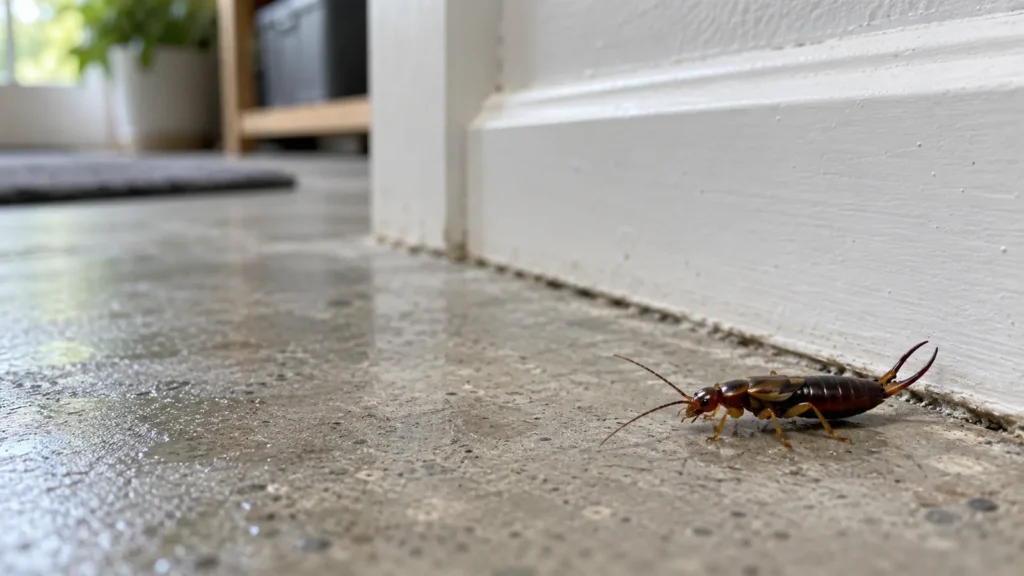
Those pincers look intimidating — but the reality is a lot less dramatic than the name and appearance suggest.
Of all the household insects that trigger an instant reaction, earwigs punch above their weight. Something about the pincer-like appendages at the back end — combined with a name that sounds genuinely alarming — makes people react to earwigs the way they’d react to something far more dangerous. The reality is almost entirely the opposite of the reputation.
The Name Myth, Addressed Directly
“Earwig” comes from an old folk belief that these insects crawl into people’s ears while they sleep, sometimes even burrowing into the brain in the most dramatic versions of the myth. There’s no credible basis for this. Earwigs have no biological reason to seek out human ears, and documented cases of this actually happening are essentially nonexistent. The name has simply outlived the myth that created it.
Are the Pincers Actually Dangerous?
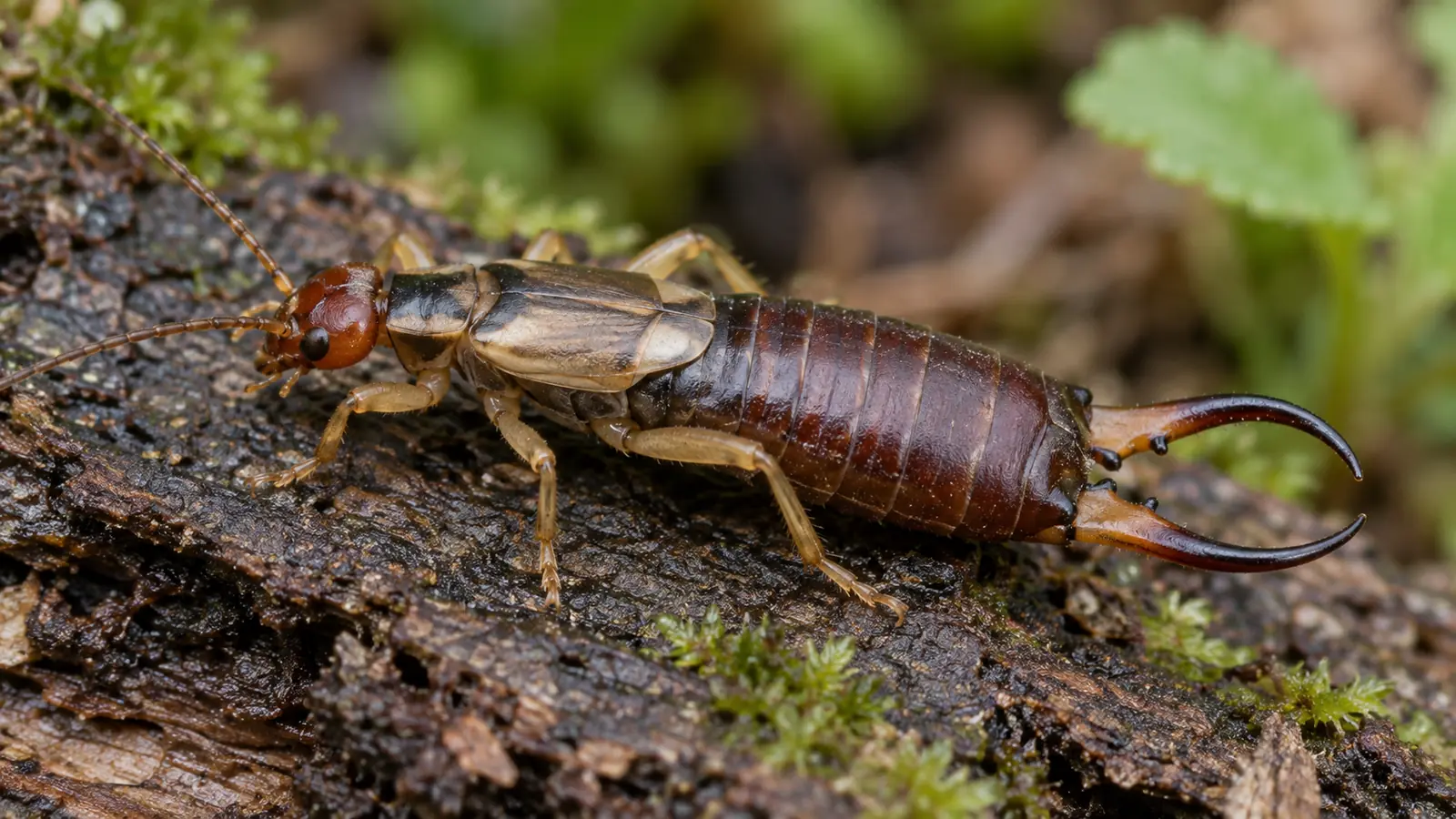
The pincer-like structures at the rear of an earwig, called cerci, are used for defense and during mating — not as a weapon against people. If an earwig is handled directly, it can pinch, but the sensation is mild, rarely breaks skin, and carries no venom or disease risk. It’s genuinely more startling than painful.
Why Earwigs Show Up in Basements and Bathrooms
What Draws Earwigs to a Garden
Outdoors, earwigs are drawn to damp mulch, decaying plant matter, and dense ground cover — all of which offer the same dark, moist conditions they favour indoors. In small numbers, they mostly feed on decaying material and are a minor part of the garden ecosystem. In larger numbers, they can damage soft fruit and young seedlings, which is where they shift from harmless to a genuine nuisance for gardeners.
How to Reduce Earwigs Without Chemicals First
- Reduce moisture — fix leaks, run a dehumidifier in damp basements, and improve ventilation in bathrooms
- Clear mulch and debris away from the foundation, since dense outdoor cover close to the house is a common entry route
- Seal foundation gaps and door thresholds to reduce the paths earwigs use to move indoors
- Reduce outdoor lighting near entry points, since earwigs (like many insects) are drawn to light at night
When Earwigs Are Worth Addressing Professionally
A single earwig found occasionally is a normal, low-stakes encounter. Large numbers appearing repeatedly, especially in a finished basement or living area, usually point to a persistent moisture source or an outdoor population close enough to the foundation to be worth addressing directly — both good reasons for a proper inspection rather than repeated one-off cleanups.

Quality Affordable Pest Control offers effective pest control for earwigs and other nuisance insects across the GTA, including Woodbridge, Thornhill, and Etobicoke.
Frequently Asked Questions
No. This is a long-standing myth tied to the insect’s name, not actual behaviour. Earwigs have no biological interest in human ears and this is essentially never documented as real behaviour.
Earwig pincers (cerci) can pinch if an earwig is handled directly, but the pinch is mild, doesn’t break skin in most cases, and carries no venom or disease risk. They’re used for defense and mating, not as a hunting or attack tool against people.
Earwigs are drawn to dark, damp environments, which makes basements, bathrooms, and areas under sinks appealing. They typically enter from outdoor mulch, garden beds, or damp soil near the foundation.
Earwigs are drawn to damp mulch, decaying plant matter, and dense ground cover, and they feed on both decaying material and, in larger numbers, live plant seedlings and soft fruit.
Leave a Reply