
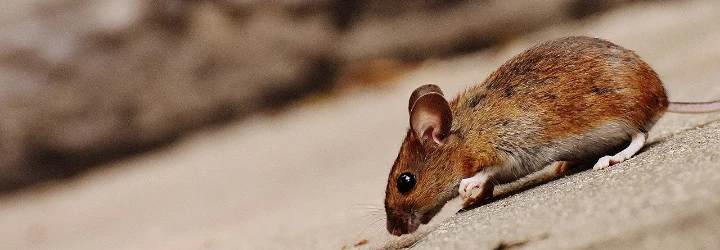
Mice can reach a condo unit through openings elsewhere in the building. Understanding the route matters more than the floor number: a recurring problem may involve shared spaces as well as your own kitchen.
Quick Answer
Mice get into condo buildings through gaps around exterior doors, loading areas, foundations and utility lines. Once inside, they may travel through connected wall cavities and service spaces around plumbing and wiring. A unit inspection, building coordination and repair of suitable entry points work together; treating one cupboard may leave the route open.
Where Mice Enter a Condo Building
- Worn seals at garage, service and exterior doors
- Openings around pipes, cables and other utilities
- Foundation gaps and damaged exterior details
- Doors left open during deliveries or maintenance
The exact route needs an inspection. Finding a mouse does not prove that a neighbour caused the problem or that a particular entrance is responsible.
How Mice Reach Individual Units
Gaps around pipes under sinks, behind appliances and at service penetrations can connect a unit to hidden building spaces. Mice may follow sheltered routes where they have access to food and nesting material. A higher floor does not rule out mice, although noises alone cannot identify the animal.
Check accessible areas without opening walls, disturbing electrical equipment or altering fire-rated assemblies. Building management should arrange appropriate repairs to shared services and structures.
Signs to Report to Your Property Manager
- Droppings in cupboards, under sinks or along walls
- Chewed food packages or nesting material
- Repeated scratching at night
- Sightings in hallways, storage rooms or garbage areas
Record the date, location and what you noticed. Photos from an accessible area can help explain the issue. For more detail, read about signs of mice in the walls.
What You Can Do in Your Unit
Keep food and pet food in sealed containers, clean crumbs and spills, empty garbage regularly and reduce clutter beside walls. Report leaks and gaps rather than filling openings around building services yourself. Do not sweep or vacuum dry droppings; follow appropriate cleanup guidance.
Mouse Removal With Pets in the Home
Tell the technician what pets you have and where they can reach. Traps and bait must be inaccessible to animals, and product instructions must be followed. Ask where equipment will be placed and what restrictions apply. No mouse-control product should be assumed harmless simply because it is described as pet-friendly.
Why Building Coordination Matters
A control plan may require inspection of neighbouring units and common areas, monitoring, treatment and building repairs. Your property manager can coordinate access and maintenance. Confirm who will arrange each part of the work, what follow-up is included and how to report new activity.
Frequently Asked Questions
Can a clean condo still get mice?
Yes. Cleaning removes food sources, but it does not close routes through the building. Prevention also depends on access points and maintenance.
Will treating my unit solve the whole problem?
It depends on the inspection. If mice use common areas or connected spaces, building-level work may also be needed.
Should I block a hole behind my sink?
Report it and ask which repair is appropriate. Avoid covering plumbing access, electrical equipment or ventilation, and do not alter fire-rated materials yourself.
Help With Mice in Toronto Condos
Quality Affordable Pest Control provides inspections and mice control in Toronto for homes and multi-unit properties. We explain the recommended treatment, precautions and follow-up. Property managers can also ask about commercial pest control.
For local inspection availability, visit our pest control in Toronto page.
Source: Health Canada: Rats and mice.
Leave a Reply