
Quality Affordable Pest Control Toronto
20+ Years of Pest Control Across Toronto
Toronto homeowners and businesses can call Quality Affordable Pest Control for service from licensed technicians. Same-day service is available in most cases. We help with houses, condos, apartments, restaurants and offices, starting with an inspection and a clear treatment plan.
Toronto is our highest-volume service area, and for good reason — a city this size and this dense throws every kind of pest issue at us, from bed bugs and cockroaches in high-rises and older apartment buildings to wildlife exclusion on ravine-adjacent homes in neighbourhoods like the Beaches or High Park. We coordinate directly with property managers on multi-unit jobs and offer the same discreet, unmarked-vehicle service for single-family homes across the city.
Why Toronto Homes Get the Pests They Do
Toronto is a hard city to keep pests out of, and it comes down to how it’s built. A lot of the housing stock downtown and in the east end is a century old, which means rubble foundations, gaps around old plumbing stacks, and semis and row houses that share walls. Once mice or roaches get into one unit on a block of attached homes, they can move between them without ever going outside.
Then there’s the green. The Don Valley, the Humber, and the ravine system running through the city give raccoons, squirrels, and skunks a highway straight into residential backyards. Add constant construction and demolition disturbing established rat burrows, and a dense downtown full of restaurants and back-alley garbage, and you get the pest pressure Toronto is known for.
We’ve worked in all of it. Basement apartments in the Annex, restaurants on the Danforth, high-rise units near Yonge and Eglinton, older homes in Leslieville and the Junction. Every property type has its own weak points, and knowing where to look first is most of the job.
The Pests We Get Called For Most
Bed Bug Exterminator in Toronto

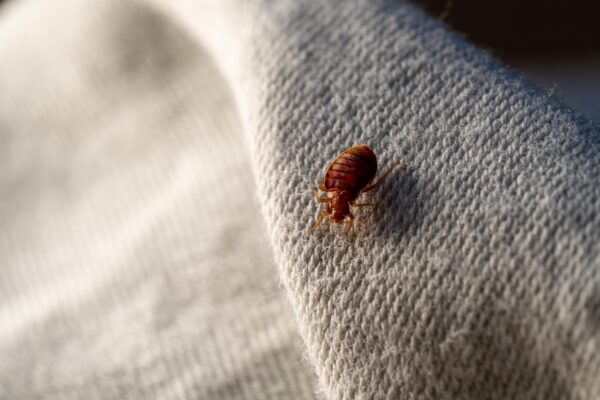
Bed bugs. Bed bugs are a common problem in Toronto’s apartments, condos and rentals. They travel in on luggage, second-hand furniture, and clothing, and in apartment and condo buildings they spread between units through wall voids and outlets. We inspect mattress seams, baseboards, and upholstery, treat thoroughly, and follow up to confirm they’re gone.
Dark spotting, shed skins and live insects around sleeping areas are more useful signs than bites alone. In a Toronto high-rise, tell the property manager about a suspected infestation so adjoining units can be assessed when needed. Before treatment, we explain the preparation and access requirements. Avoid moving bedding or furniture into another room, which can spread the problem. The inspection determines the treatment and whether further visits are needed.
Cockroach Exterminator in Toronto

Cockroaches. A constant issue in older apartment buildings and any home with shared walls. They hide in warm, humid spots around kitchens and bathrooms and breed fast. Treating one unit while the neighbours go untreated rarely works, so we look at how far it’s actually spread before we start.
Look for droppings, egg cases and insects appearing when kitchen lights come on. Food residue, leaking pipes and gaps around plumbing can support activity in basement apartments and condo kitchens. An inspection checks hiding places behind appliances and beneath sinks before selecting targeted treatment. Cleaning, reducing moisture and coordinating with the property manager help address the conditions that let cockroaches return. Monitoring afterwards helps show whether activity is declining or spreading into adjoining spaces.
Rat Removal in Toronto

Rats. Norway rats are well established across Toronto, especially near construction sites, restaurant strips, older sewer lines, and the ravines. They’re destructive and carry disease. We find the burrows and entry points, clear them out, and seal the ways back in.
Signs include larger droppings, gnaw marks, worn routes and fresh digging beside foundations. A Toronto restaurant’s waste storage area or a construction project nearby can draw rats toward homes and businesses. Inspection comes first, followed by a control plan suited to the property. Ask about sealing recommendations and the scope of exclusion work before it starts. Keeping garbage secured and correcting gaps around doors, drains and utility openings helps reduce the chance of another infestation. Read what Toronto’s rat rules mean for homeowners and tenants.
Mice Removal in Toronto

Mice. The most common call we get once the weather turns. A mouse fits through a gap the width of a pencil, and century homes have plenty of them. Scratching in the walls at night is usually mice looking for somewhere warm.
Other signs include small droppings in cupboards, chewed food packages and gnaw marks around utility openings. Toronto basements, attached houses and apartment kitchens offer shelter close to food. We inspect likely routes before recommending control measures and prevention work. Keep stored food in sealed containers and clear clutter around walls so activity can be checked. In a condo or apartment, involve the property manager when mice appear to be travelling through shared walls or service spaces.
Raccoon Removal in Toronto

Raccoons. Toronto’s raccoons can tear through roof edges, soffits and vents to den in attics. Heavy movement at night, damaged roof edges and disturbed insulation are reasons to arrange an inspection. We identify the entry point and check for dependent young before recommending humane removal and exclusion. We remove them humanely and seal the openings to keep them from coming back.
Squirrel Removal in Toronto

Squirrels. Squirrels can chew through soffits, roof vents and gaps at the roofline to enter Toronto attics. Scratching and scurrying during the day can point to activity overhead. We inspect the roofline, identify access points and check for dependent young before recommending humane removal. Avoid blocking an active opening yourself. We explain the recommended exclusion, sealing and prevention work before the job begins.
Ant and Carpenter Ant Control in Toronto

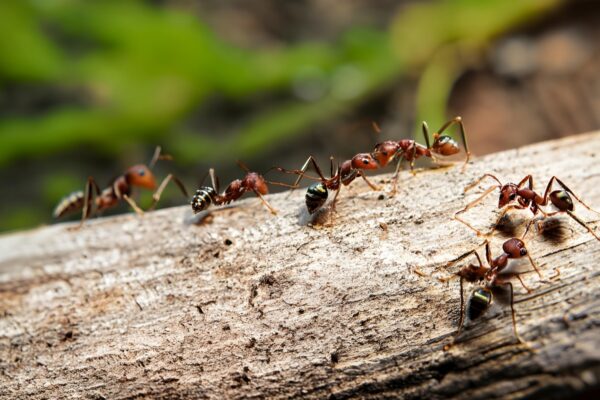
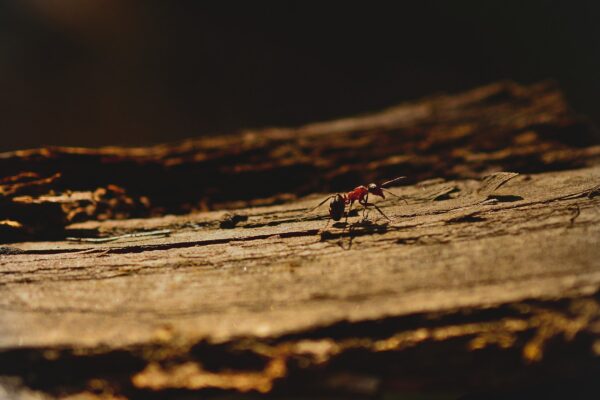
Ants and carpenter ants. Ants are the single most common insect call we get across the city. Pavement ants show up through spring and early summer, and big black carpenter ants near windows or doors usually mean damp wood somewhere. Left alone, carpenter ants tunnel through structural framing, which is a real problem in older houses and in homes near the ravines.
Odorous house ants can also trail toward food in Toronto kitchens. Look for recurring trails, activity beside foundation cracks and sawdust-like debris near damp wood. Identification matters because carpenter, pavement and odorous house ants need different approaches. An inspection checks nesting conditions and access routes before recommending treatment. Repairing leaks, storing food securely and addressing damp framing help with prevention. Spraying visible ants alone may leave the nest and the reason they entered unchanged.
Wasp and Hornet Nest Removal in Toronto

Wasps and hornets. Nests turn up under eaves, on balconies, in sheds, and inside wall cavities every summer. We take them down safely, including the ones that are awkward to reach.
Repeated traffic through one opening can indicate a concealed nest even when you cannot see it. Toronto patios, rooftop terraces and older soffits offer sheltered nesting sites close to people. Do not seal the entrance or disturb the nest before it has been assessed. We inspect the location and recommend treatment or removal based on the species and access. Let us know if the nest is beside a doorway or shared walkway. Further information is available on our Hornet Removal page.
We also handle the smaller stuff that turns up constantly in city homes: spiders, silverfish, centipedes, fleas, mosquitoes, and pigeons. Not sure what you’re looking at? Send us a photo and we’ll identify it.
Spider Control in Toronto
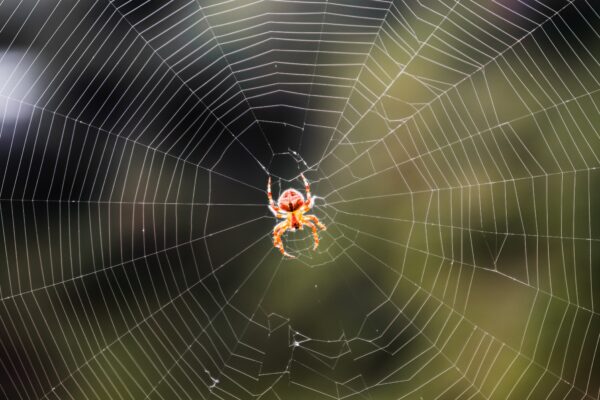
Spiders in Toronto basements, garages and window wells often follow the insects they feed on. Webs around lights, repeated sightings in the same corner and activity near cracks can help show where they are entering. Older homes with damp lower levels and cluttered storage areas provide sheltered places to hide. An inspection looks at entry points, moisture and other insect activity before deciding whether treatment is needed. Removing webs, reducing clutter and improving screens can help alongside a targeted plan. We explain which areas need attention and how to make those spaces less attractive. A single spider does not necessarily mean an infestation. Learn more about spider removal.
Silverfish Control in Toronto
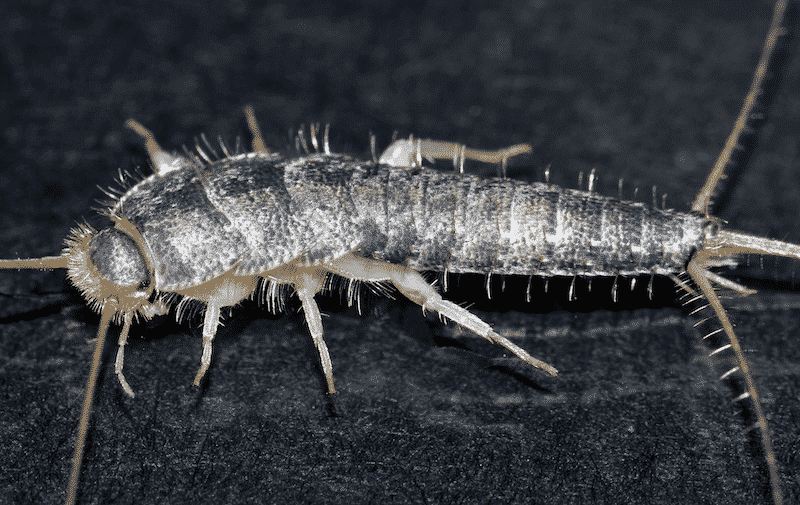
Silverfish can turn up in Toronto bathrooms, laundry rooms, basement apartments and storage cupboards. Their quick movement and silvery appearance make them easier to identify when a light comes on. Damage to paper, book bindings or stored materials can be another clue. Persistent moisture, gaps beside pipes and undisturbed storage help them remain hidden. We inspect the affected areas and discuss treatment suited to the level of activity. Fixing leaks, improving ventilation and storing papers off damp floors are useful prevention steps. In a condo, recurring moisture may also need the property manager’s attention. Treatment should address the conditions supporting silverfish, rather than only visible insects. Learn more about silverfish removal.
Centipede Control in Toronto
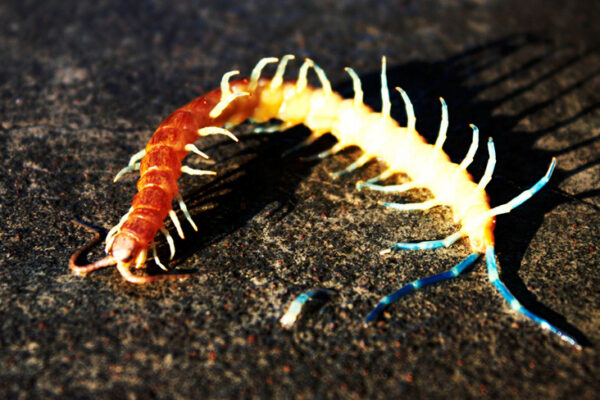
House centipedes are often noticed in Toronto basements and bathrooms, especially where moisture and other small insects are present. Seeing one fast-moving centipede is different from finding repeated activity throughout the home. An inspection helps identify hiding places, damp areas and the insects they may be feeding on. Older plumbing, foundation cracks and clutter beside walls can make a lower level more inviting. We assess whether targeted treatment is appropriate and explain practical prevention steps. Repairing leaks, improving air circulation and reducing clutter can help. If the problem keeps returning in an apartment, shared moisture or access routes may need attention from the building manager. Learn more about centipede removal.
Flea Control in Toronto
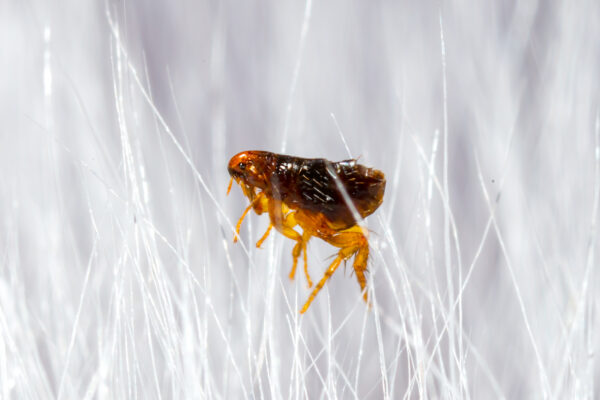
Fleas can become a problem in Toronto houses and apartments when animals carry them indoors. Small jumping insects, activity around pet bedding and repeated bites near floor level are reasons to investigate. Bites alone do not identify the pest. Carpets, upholstery and cracks around resting areas can shelter different stages of the flea life cycle. We inspect affected rooms and explain preparation before recommending treatment. Regular vacuuming and laundering suitable bedding can support the plan. Pet treatment should be discussed with a veterinarian so the household source is addressed as well. Follow the instructions given for occupants and pets, including any required time away from treated areas. Learn more about flea removal.
Mosquito Control in Toronto
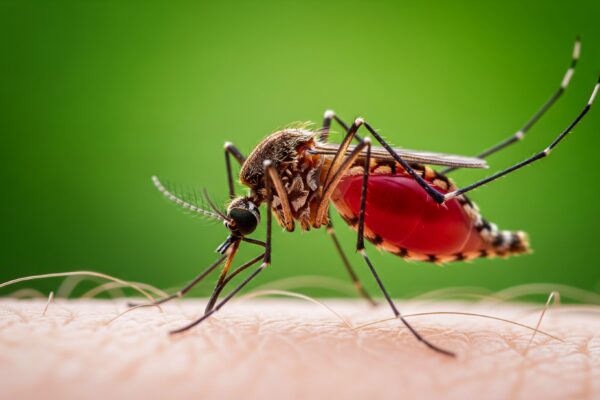
Mosquitoes around Toronto yards and balconies can be associated with standing water in planters, blocked gutters and outdoor containers. Homes near ravines may notice more outdoor activity during warmer weather. Check for water that remains after rain and inspect window screens when mosquitoes appear indoors. An assessment looks at the affected space and whether practical changes or a treatment plan are appropriate. Emptying suitable containers, maintaining drainage and repairing screens can reduce opportunities around the property. Treatment choices depend on the site and conditions, so we explain the recommended approach before work starts. In a condo, drainage or maintenance issues in shared outdoor spaces should be reported to management. Learn more about mosquito control.
Pigeon Control in Toronto
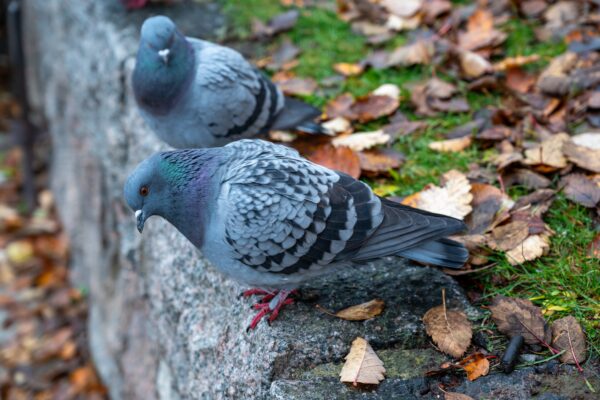
Pigeons may gather on Toronto balconies, roof ledges and sheltered building features. Repeated perching, nesting material and accumulated droppings can indicate a persistent problem rather than an occasional visit. Food left outdoors and protected ledges make some properties more attractive. An inspection checks the location, access and whether nesting activity affects the proposed work. We discuss suitable deterrent or exclusion measures and the maintenance needed afterwards. Building management may need to approve work on shared condo structures. Avoid disturbing nests or attempting difficult roof access yourself. The plan should address the reason birds keep returning while keeping balcony and building use in mind. Learn more about pigeon removal.
Bee Control in Toronto
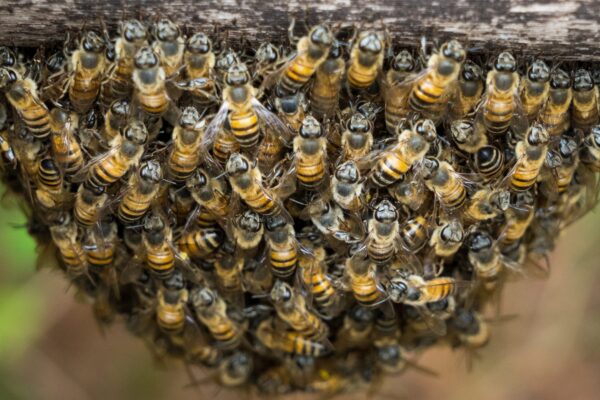
Bees seen near a Toronto garden may simply be feeding on flowers, while repeated movement into a wall or roof opening needs closer identification. A cluster on a branch, activity around a cavity and insects entering the same gap are useful details to report. Bees and wasps need different approaches, so we identify the insect before recommending the next step. The assessment considers nest location, access and the appropriate removal options. Do not seal an active entrance or spray an unidentified colony. Tell us whether activity is beside a doorway, balcony or shared path. Photos taken from a safe distance can help explain what you are seeing. Learn more about bee removal.
Boxelder Bug Control in Toronto
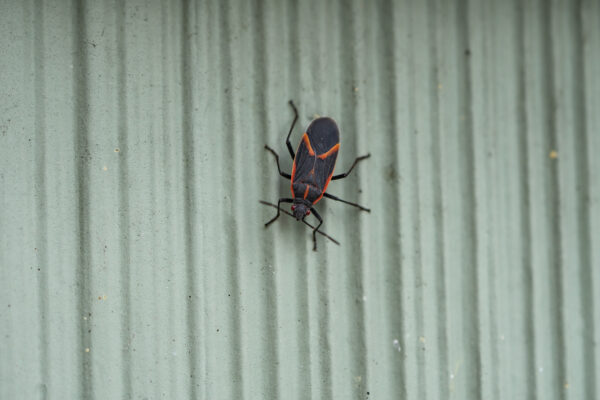
Boxelder bugs may gather on sunny exterior walls and enter Toronto homes through small gaps as conditions change. Groups around windows, siding and door frames are more useful signs than an isolated insect indoors. Older windows, damaged screens and gaps around trim can provide access to sheltered spaces. We inspect entry routes and the extent of activity before discussing treatment. Prevention can include improving screens and sealing suitable gaps once the situation has been assessed. Vacuuming visible insects can help with small indoor numbers, while larger recurring problems may need a broader plan. The goal is to reduce both the current nuisance and the routes used to enter. Learn more about boxelder bug removal.
Carpet Beetle Control in Toronto
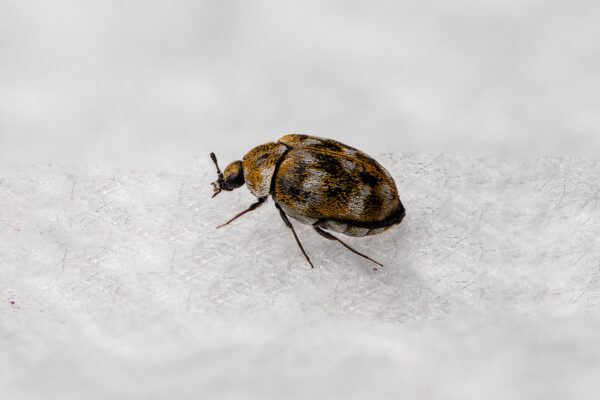
Carpet beetle larvae can damage suitable fabrics and stored materials in Toronto houses and condos. Look for larvae, shed skins and irregular damage in undisturbed cupboards, along carpet edges or beneath furniture. Adult beetles near a window may be noticed before the source of the problem is found. Inspection checks the affected materials and possible sources such as accumulated lint, animal hair or stored textiles. We discuss cleaning, disposal of heavily affected items when necessary and treatment appropriate to the inspection findings. Vacuuming hidden edges and checking stored fabrics help support prevention. Identification matters because fabric damage can have more than one cause, including clothes moths. Learn more about carpet beetle removal.
Toronto Pest Problems by Season
Pest calls in Toronto follow a fairly predictable cycle, and knowing it helps you get ahead of a problem instead of reacting to one.
- Spring: ants on the move, wasp queens starting new nests, and wildlife looking for somewhere to raise young, which is when most attic problems start.
- Summer: wasp and hornet nests at full size, mosquitoes near the ravines and standing water, and carpenter ants active in damp wood.
- Fall: the busiest time of year for rodents. Mice and rats head indoors as soon as it cools off, which is why sealing entry points in September and October pays off.
- Winter: rodents already inside the walls, plus cockroaches and bed bugs, which don’t care what the weather is doing.
How We Handle a Pest Problem, Step by Step
Every job runs the same way, whether our exterminator is called to a one-bedroom condo or a restaurant kitchen:
- Inspection. We identify the pest, work out how far it has spread, and find the entry points. On attached homes and multi-unit buildings, that includes checking whether neighbouring units are involved.
- Treatment plan. We explain the treatment plan and price before any work starts.
- Treatment. We choose products with families and pets in mind and apply only what the job needs. If there’s anything to stay clear of, we’ll tell you exactly what and for how long.
- Sealing and prevention. Removing pests without closing the entry points just means they come back. We seal the gaps and tell you what’s attracting them.
- Follow-up. We check back to confirm the problem is gone. If it isn’t, we return, and the money-back guarantee stands.
Commercial Pest Control for Toronto Businesses
We work with restaurants, cafés, food shops, offices, condo boards, and property managers across the city. For food businesses, a pest issue isn’t only unpleasant. It’s an inspection risk. We work discreetly, document what we do, and schedule around your hours where possible. Our vehicles are unmarked, which matters when customers are walking past your front door. Commercial pest control is available as a one-time treatment or an ongoing program.
Areas of Toronto We Cover
We service the entire city, including downtown and the waterfront, the Annex, Yorkville, Kensington, Cabbagetown, Riverdale, Leslieville, the Beaches, the Danforth, Little Italy, the Junction, Roncesvalles, Parkdale, High Park, Bloor West Village, Forest Hill, Davisville, and Yonge and Eglinton. If you’re not sure whether we reach you, call and ask, the answer is usually yes.
We also cover North York, Scarborough, Etobicoke, East York and York. Tell us your neighbourhood and property type when requesting an appointment.
Why Homeowners and Businesses Choose Us
- 20+ years of experience and over 10,000 jobs completed across Toronto.
- Licensed exterminators, not subcontractors. The person who shows up is trained and insured.
- Fully insured, and licensed by the Ontario Ministry of the Environment, Conservation and Parks.
- Money-back guarantee. If the pests aren’t gone, neither is your money.
- Same-day service is available in most cases. Emergency service includes evenings and weekends.
- Unmarked vehicles and discreet service.
- Eco-friendly, pet-safe treatments and honest, upfront pricing.
Toronto Pest Control FAQs
How much does an exterminator cost in Toronto?
It depends on the pest, the size of the property, and how far the problem has spread. A single wasp nest is a much smaller job than a full bed bug treatment across a three-bedroom home. We give free, no-obligation quotes and confirm the price before any work starts. Call (647) 502-3950 and we’ll give you a straight answer. The quote should identify the treatment scope, preparation and any follow-up included, so you can compare the work being offered.
Can you treat a condo or apartment unit?
Yes, and we do it often. The thing to know is that in a multi-unit building, pests move between units through wall voids, plumbing chases, and outlets, so treating one unit alone sometimes isn’t enough. We’ll inspect and tell you honestly whether the problem is contained to your unit or whether the building or property manager needs to be involved. Tell us about recent sightings in neighbouring units and any building treatment already arranged, so the inspection starts with useful information.
How do I know if it’s bed bugs or something else?
The usual signs are itchy bites in a line or cluster that show up overnight, small dark spots on the mattress seams or box spring, and sometimes a musty smell in a bad infestation. Bites alone aren’t proof, since plenty of things bite. That’s why we inspect before treating rather than guessing. Look for live insects or shed skins as well, and avoid moving bedding or furniture between rooms while the suspected problem is assessed.
Do you offer same-day pest control in Toronto?
Same-day service is available in most cases. Call early to check the earliest available appointment. For wasp nests, rodents in the living space, and other urgent situations, we prioritize getting out fast. Availability depends on the location, the treatment required and the day’s schedule. Give us your Toronto neighbourhood, property type and a description of the activity when you call. We will confirm an appointment time rather than promise a slot that is not available.
Are your treatments safe for children and pets?
Yes. We use family and pet-friendly methods, and your technician explains any precautions before treatment. If there’s an area to keep kids or pets away from for a few hours, we’ll tell you clearly before we leave. Safe use depends on the product, application and instructions. Tell the technician about children, pets and any household concerns before treatment. Follow the preparation and re-entry directions provided for your particular job; do not assume that every treatment has the same waiting time.
Do I need to leave my home during treatment?
For most treatments, no. Some jobs do need the space vacated for a few hours, and bed bug work usually requires the room to be empty while we treat and until surfaces dry. We’ll tell you before we arrive whether you need to make arrangements, so you’re not caught out on the day. The exact re-entry time depends on the treatment and product instructions. Tell us about pets and anyone who may need help making arrangements, and follow the technician’s directions.
Dealing with a pest problem in Toronto right now? Call (647) 502-3950 or request a free estimate. Same-day service is available in most cases.
Quality Affordable Pest Control proudly serves Toronto and surrounding areas with professional pest control and wildlife removal services.