
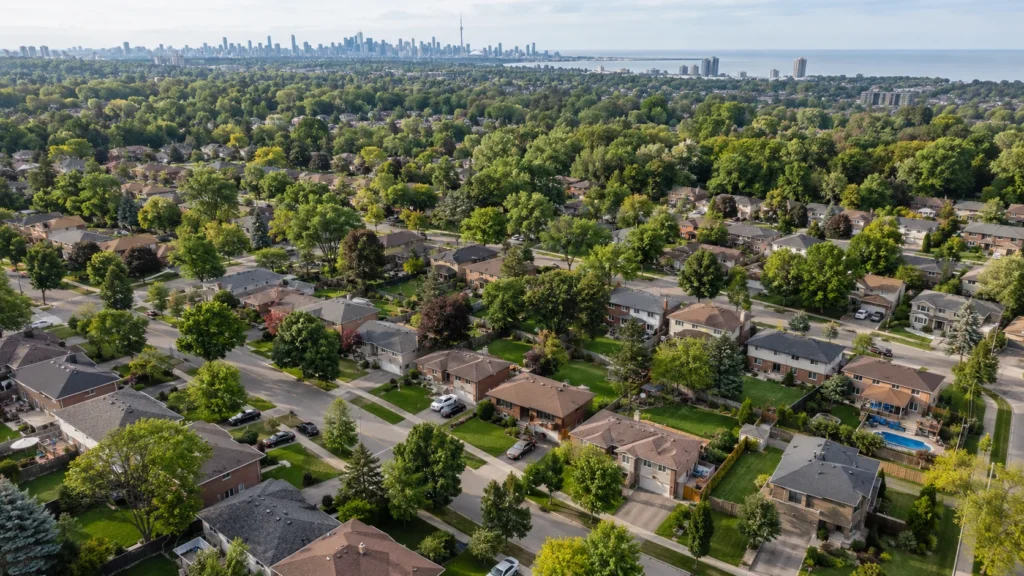
From bed bugs in downtown condos to raccoons in Durham Region attics — a guide to what shows up where, and when.
The Greater Toronto Area is too large and too varied to have just one pest problem. A condo in the Financial District, a century-old semi in Riverdale, and a house backing onto a ravine in Pickering all deal with pests — but rarely the same ones, and rarely for the same reasons. This guide is an overview of what shows up across the GTA, organized by pest and by season, with links to deeper guides on each one.
The Pests GTA Homeowners Deal With Most
Mice and Rats
The single most common fall complaint across the entire GTA. As temperatures drop, mice and rats move indoors looking for shelter, and older housing stock gives them more of the small gaps they need to get in. See our full guide: How to Get Rid of Mice and Rats, and for the health side of it, Rodent Health Risks and Safe Cleanup.
Ants
Carpenter ants swarm across the GTA every May and June, with older wood-frame neighbourhoods seeing more activity due to moisture-softened wood in decks and fascia boards.
Wasps and Hornets
Colonies peak by late August across the region. See our full guide: Wasps and Hornets: A Homeowner’s Safety Guide.
Cockroaches and Bed Bugs
Concentrated more heavily in condos, apartments, and multi-unit buildings, where shared walls and plumbing let both pests travel between units. See How to Get Rid of Cockroaches and How to Get Rid of Bed Bugs.
Spiders and Cluster Flies
Both become more visible every fall as they seek shelter indoors. See Why Spiders Show Up in Fall and Cluster Flies: Why They Swarm Your Windows Every Fall.
Wildlife: Raccoons and Squirrels
More common in suburban areas with mature trees and green space than in dense downtown cores. See Raccoons in the Attic and Squirrels in the Attic.
Why Location Within the GTA Matters
| Area Type | Typical Pest Pressure |
|---|---|
| Downtown Toronto condos | Bed bugs, cockroaches — spread via shared walls and plumbing |
| Older Toronto neighbourhoods (e.g. Cabbagetown, Riverdale) | Mice and rats, via aging foundations and shared walls |
| Suburban areas with mature trees (e.g. Markham, Aurora) | Squirrels, raccoons, carpenter ants |
| Waterfront and ravine-adjacent areas (e.g. Whitby, Pickering) | Wildlife plus moisture-driven pests like carpenter ants and centipedes |
A Season-by-Season Overview
- Spring: Carpenter ant swarming season; first wildlife litter season begins
- Summer: Wasp and hornet colonies peak; second wildlife litter season
- Fall: Mice and rats move indoors; spiders and cluster flies become more visible
- Winter: Rodents remain the primary indoor concern; bed bugs and cockroaches stay active year-round in heated buildings
Explore Your City
For more specific, local detail, see our guides for Whitby, Aurora, Pickering, and Toronto, or see our full coverage area for every city we serve.
When to Call a Pro
Whatever the pest, the same general rule applies across the GTA: DIY methods handle small, early, contained problems, while established infestations, wildlife with young present, or anything spreading through a shared building need professional treatment.
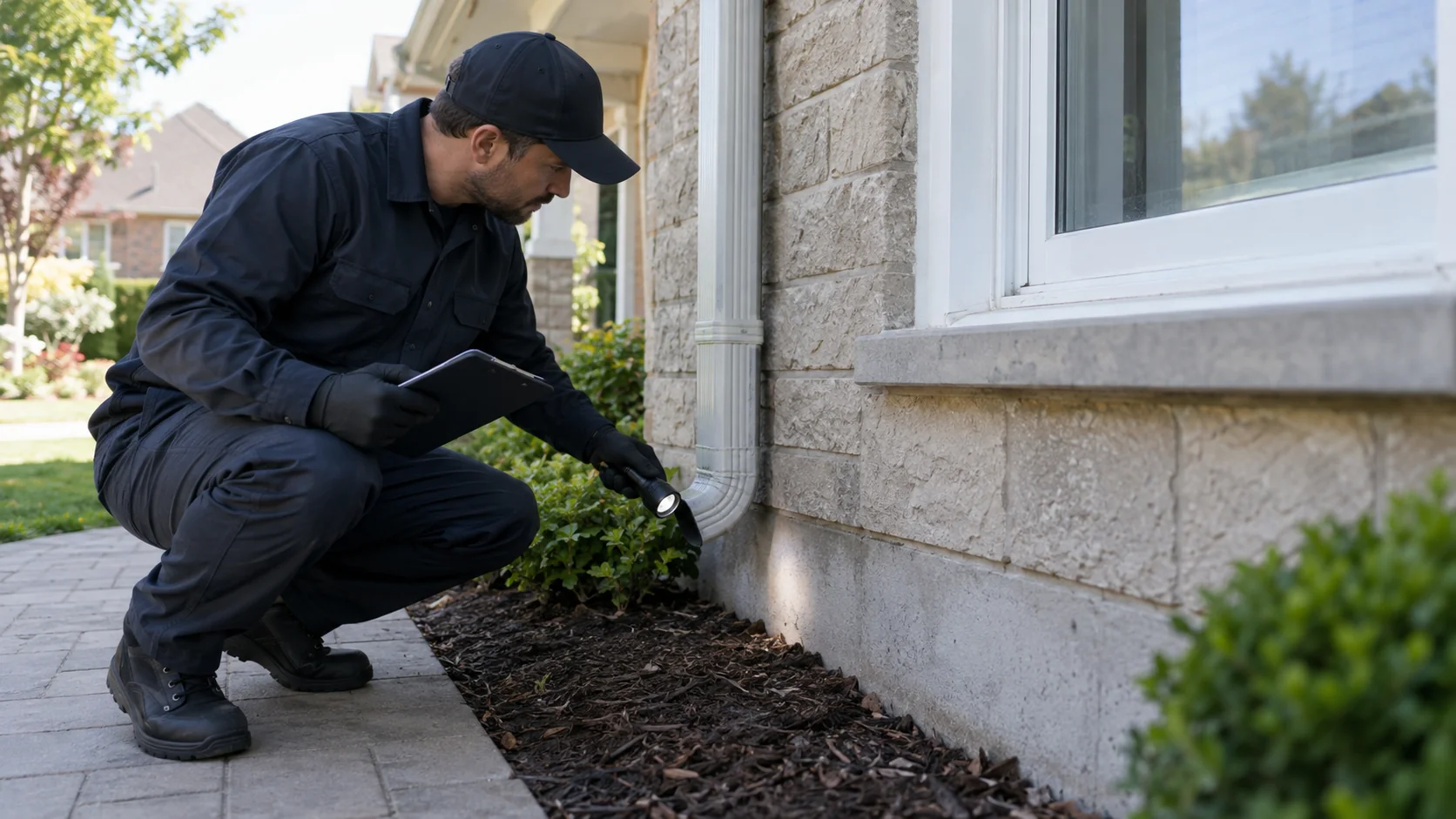
Quality Affordable Pest Control provides same-day and next-day pest control across the entire GTA.
Frequently Asked Questions
Mice and rats, carpenter and pavement ants, wasps and hornets, cockroaches (especially in condos and apartments), bed bugs, spiders, and wildlife like raccoons and squirrels are the pests GTA homeowners deal with most.
Yes. Dense, older housing and high-rise condos in Toronto see more bed bugs, cockroaches, and rodents moving through shared walls, while surrounding areas with larger lots and more green space, like Whitby, Aurora, and Pickering, see more wildlife and carpenter ant activity tied to moisture and mature trees.
Spring brings carpenter ants and the start of wildlife litter season. Summer is peak wasp and hornet activity. Fall is when mice and rats move indoors and spiders become more visible. Bed bugs and cockroaches, especially in multi-unit buildings, are a year-round concern.
Cost is driven mainly by the pest, property size, and treatment type rather than the city itself. A free estimate is the most accurate way to get pricing for a specific address.
Leave a Reply