
Why Pickering's Lake Ontario waterfront and the Petticoat Creek ravine system each bring a different kind of pest pressure.
Quick Answer
Pickering's pest issues split cleanly along geography: properties near the Lake Ontario waterfront see more moisture-driven pests, while homes backing onto the Petticoat Creek ravine system deal with consistent wildlife activity, raccoons especially. Where your property sits relative to the water changes what to watch for.
Waterfront Properties: Moisture-Driven Pest Pressure
Homes closer to the Lake Ontario shoreline deal with higher ambient humidity than properties further inland. That moisture creates ideal conditions for pests that thrive in damp conditions — carpenter ants hollowing out damp wood, and spiders drawn to the insects that moisture attracts.
If your Pickering property sits within a few blocks of the waterfront and you're seeing more insect activity than neighbours further inland, moisture is almost always part of the story. We check ant entry points differently here than we would on a dry, inland lot.
Ravine-Backing Homes: Raccoons and the Petticoat Creek Corridor
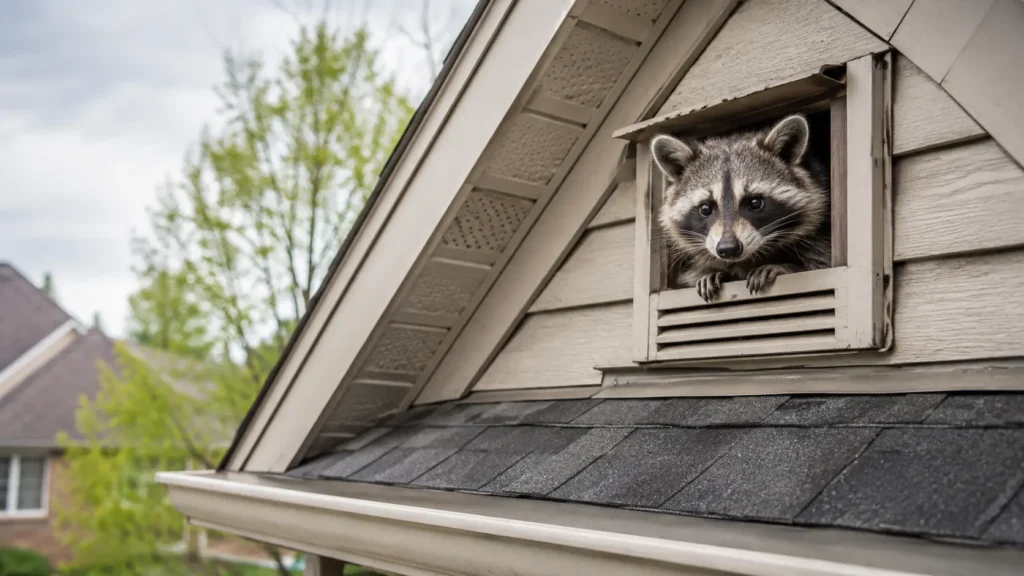
Properties backing onto the Petticoat Creek ravine system get a steady stream of wildlife activity thanks to the tree cover and water access the creek corridor provides. Raccoons are the most common call here — the creek gives them an easy, continuous route between natural habitat and nearby attics and sheds.
Mature tree cover along the ravine also means squirrels are a regular issue for these same properties, often entering through roof edges or soffits that back directly onto the green space.
What This Means for Your Property
We adjust our inspection depending on where your home sits. A waterfront property gets checked for moisture-related entry points and insect activity; a ravine-backing property gets checked for the roofline and soffit gaps that let wildlife in. Knowing which category applies to your home means a faster, more accurate first visit.
Signs to Watch For
- Scratching or thumping sounds in the attic, especially at dusk or dawn (raccoons and squirrels)
- Carpenter ant frass (sawdust-like debris) near damp wood, decks, or window frames
- Torn or disturbed soffits, roof edges, or vents
- Increased spider webs in damp areas like basements or crawl spaces
What to Do Next
If you're seeing any of these signs, don't wait — wildlife entry points tend to get worse, not better, especially heading into fall when animals are looking for a warm place to den. We inspect, identify the entry point, and handle removal humanely before sealing the gap.
You can read more about our pest control services in Pickering or call us directly for a same-day inspection.
Quality Affordable Pest Control proudly serves Pickering and surrounding areas with professional pest control and wildlife removal services.
Leave a Reply