
What needs to happen before a bed bug or cockroach treatment? The answer starts with seeing the areas where the insects may be hiding.
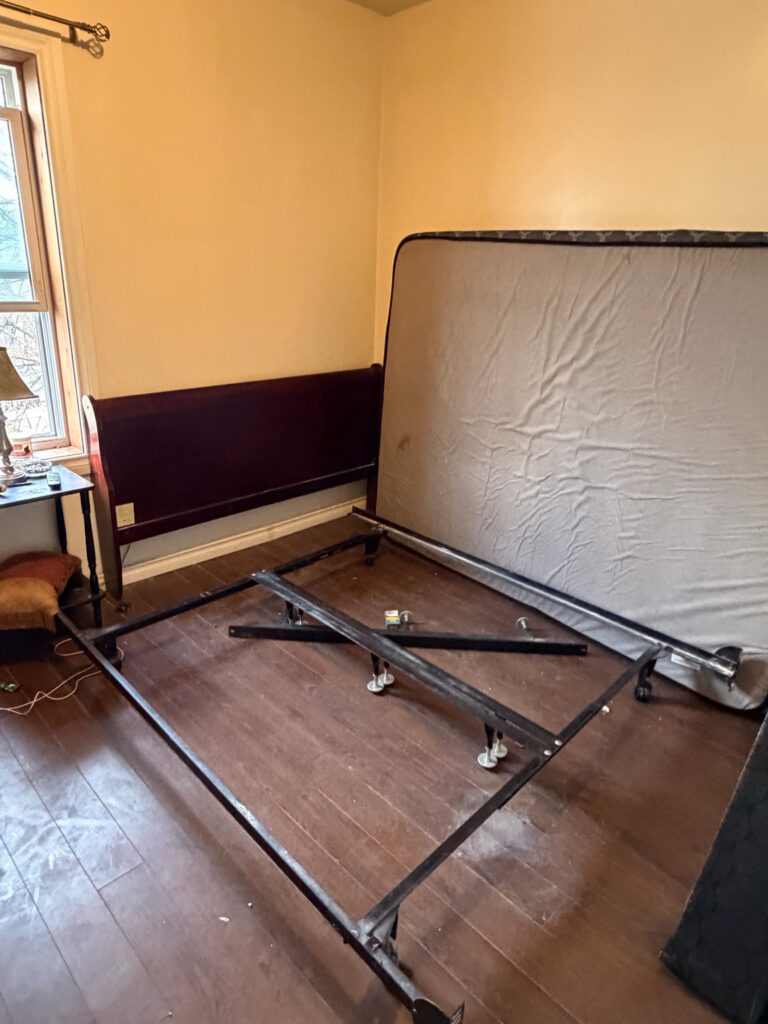
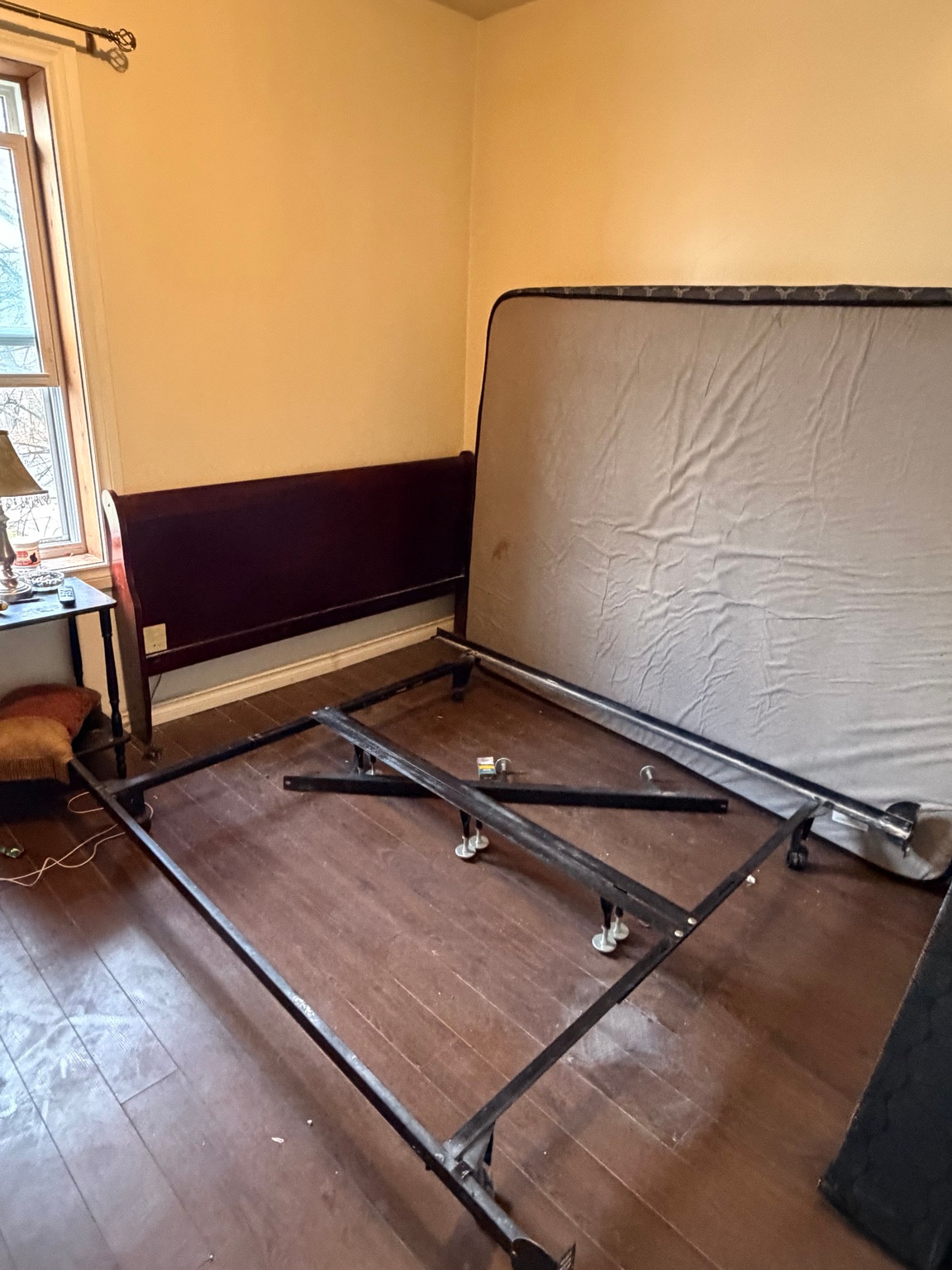
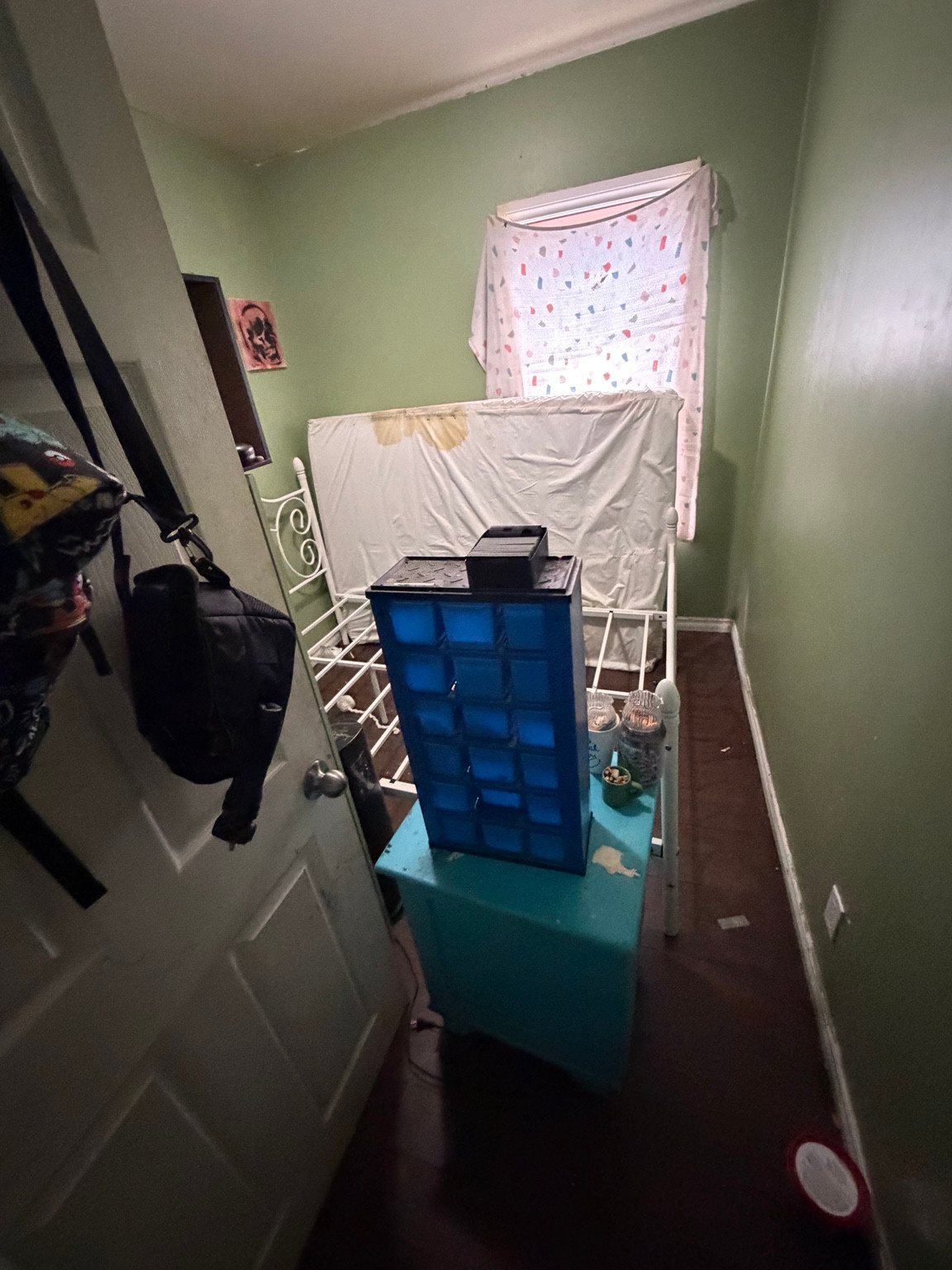
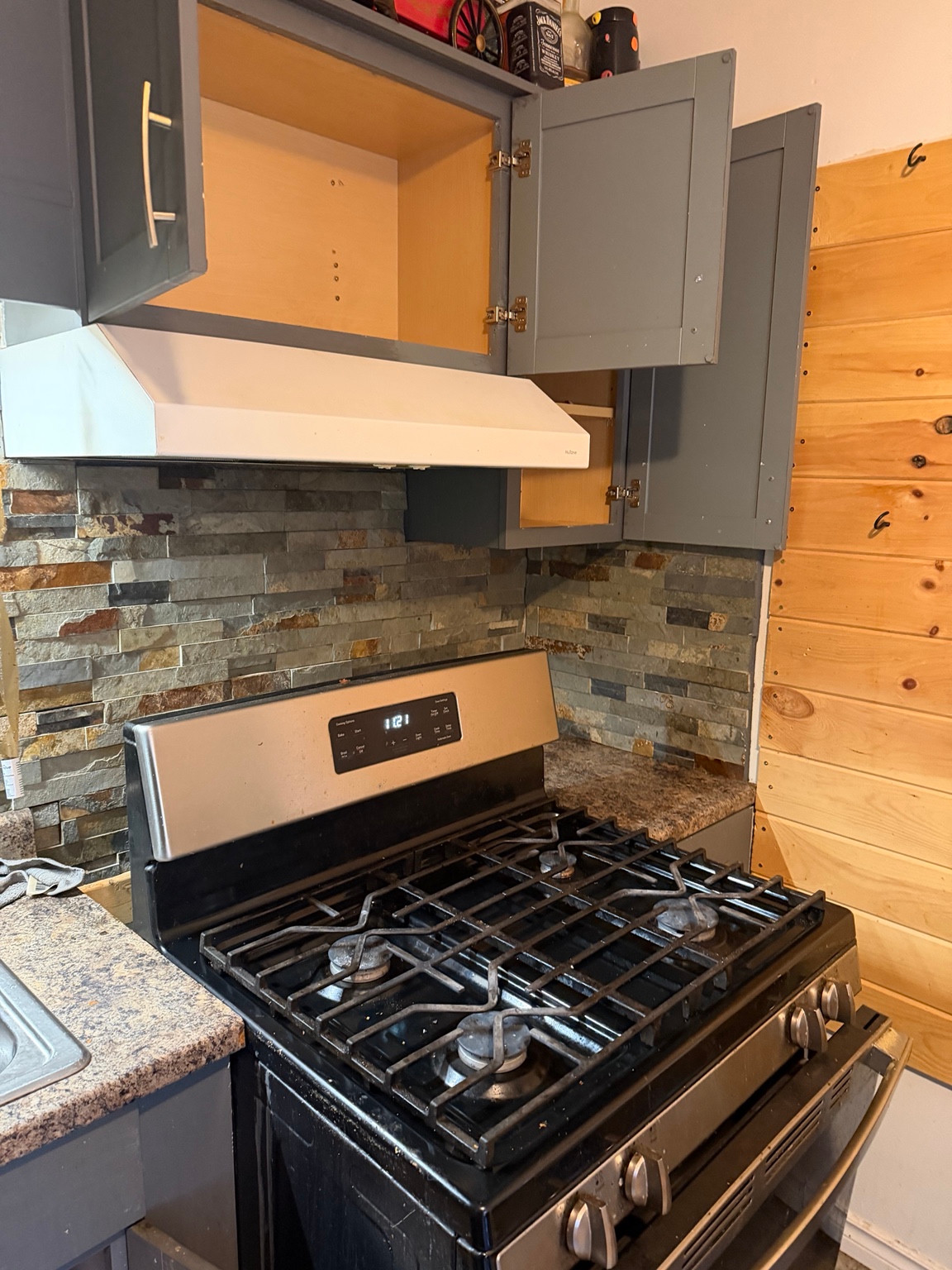
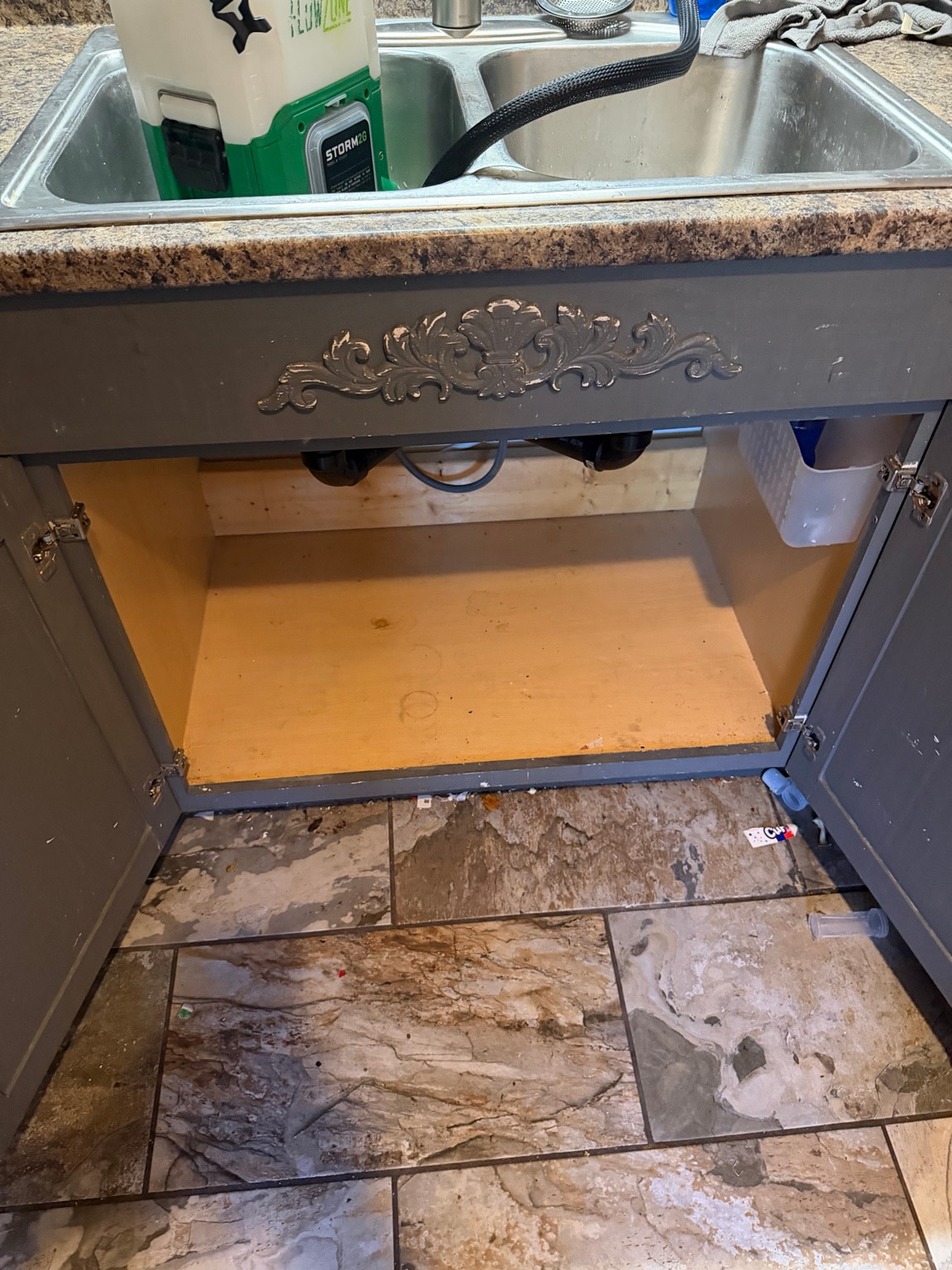
We recently attended a pest-control job in Peterborough, and the photographs from that visit show why access matters. Bed-frame components are exposed in the bedrooms, while kitchen cupboard doors are open around the stove and beneath the sink. These views provide a useful starting point for explaining how preparation supports an inspection and treatment plan.
If you are dealing with bed bugs or cockroaches in Peterborough, this guide explains what to look for, what to avoid and which questions to ask. You can also visit our pest control in Peterborough page for an overview of our local services.
What the Photos From This Peterborough Job Show
In the bedroom photos, bedding has been removed and the bed bases are upright, exposing parts of the frames and surrounding floor. In the kitchen, the open cupboards reveal cabinet interiors and the space beneath the sink.
These photographs show access to areas that can be difficult to examine during everyday use. Inspection findings then determine which spaces need attention and what preparation is appropriate. The instructions should fit the pest, the property and the proposed treatment.
Bed Bug Treatment in Peterborough Starts Beyond the Mattress
Bed bugs can hide in bed-frame joints, box springs, headboards and nearby furniture, so checking only the top of a mattress can miss important areas. Look for live insects, shed skins and dark spotting around seams and hiding places. A clear photograph or a safely contained specimen can help with identification.
Bites alone cannot confirm bed bugs. People react differently, and other insects or skin conditions can produce similar marks. Health Canada’s bed bug identification guide explains their appearance and common signs.
The exposed frames in our job photos illustrate why access is useful. That does not mean every customer should dismantle every bed before a visit. Ask which items to move, what to leave in place and whether the technician needs to handle any disassembly.
Cockroach Control in Peterborough: Check Kitchen Hiding Places
Cockroaches need food, water and shelter. Kitchen cabinet joints, areas near appliances and spaces around plumbing deserve attention during an inspection. The open cupboards and under-sink area in these job photos help illustrate the kinds of spaces a technician may need to reach.
Useful steps include storing food in sealed containers, cleaning up crumbs and grease, keeping garbage contained and reporting leaking pipes or taps. These measures support control, but they do not replace identifying the insect and locating its activity.
Finding cockroaches does not automatically mean a home is dirty. They can arrive on belongings and packaging, and their presence needs to be addressed without blame. Health Canada’s cockroach guidance explains why reducing food, moisture and hiding places matters.
Learn more about our cockroach control service, including the role of inspection and a targeted treatment plan.
Prepare Without Moving the Problem to Another Room
Follow the written instructions for your appointment rather than a generic whole-house checklist. Before moving belongings or starting a major cleanup:
- Ask what needs to be accessible. Confirm which beds, cupboards, furniture and floor areas the technician needs to inspect.
- Contain items that may carry bed bugs. Avoid carrying loose bedding or clothing through unaffected rooms. Use sealed bags when moving items for laundering, and keep treated items separate.
- Check fabric-care instructions. Ask how to handle heat-sensitive belongings. Laundry can help with suitable items, but it does not treat hidden insects elsewhere in the room.
- Explain any earlier treatment. Tell the technician which sprays, powders or other products have already been used and where.
- Plan for access and re-entry. Ask whether people and pets must leave, for how long and what conditions must be met before returning. Follow the product-specific instructions.
The EPA’s bed bug preparation guidance also stresses avoiding the movement of potentially infested belongings into unaffected areas. For Canadian treatment and pesticide-safety information, see Health Canada’s bed bug control advice.
What to Ask Before Booking Treatment
A useful estimate explains the work, not just the price. When arranging bed bug treatment or cockroach control in Peterborough, ask:
- What evidence identifies the pest, and which areas need attention?
- What treatment is proposed, and what preparation does it require?
- How should food, dishes, bedding, pets and other belongings be handled?
- What cleaning is allowed afterward, and which treated areas should be left undisturbed?
- Are follow-up visits included, and what activity should be reported?
If you rent, tell your landlord or property manager promptly. In a shared building, access and inspections may need coordination beyond one room or unit. Do not assume the visible area is the entire problem.
After the Visit: Follow the Monitoring Plan
Follow the technician’s instructions, record where and when you notice further insects, and keep any agreed follow-up appointment. Avoid adding another product or washing treated surfaces without checking first. Monitoring helps the technician assess progress and decide whether further work is needed.
For details about our approach to inspection, preparation and monitoring, read about our bed bug treatment service.
Need Help With Bed Bugs or Cockroaches in Peterborough?
Contact Quality Affordable Pest Control at (647) 502-3950 or request a free estimate. Tell us which insects or signs you have noticed, where they are appearing and the type of property. We can discuss the next step and confirm appointment availability in Peterborough.

Leave a Reply