

Three different animals, one shared instinct — and right now is exactly when it kicks in across the GTA.
Right around now, GTA homeowners start hearing the same question from three different directions: is that scratching in the attic a squirrel, a mouse, or something bigger? All three genuinely do become active at once every fall, driven by the exact same instinct — find warm shelter before winter — but they get in different ways, at different times of day, and need different responses. Sorting out which one you’re actually dealing with is the first real step.
Why All Three Show Up at Once
Mice, rats, and squirrels don’t coordinate, but they respond to the same environmental cue: consistently dropping overnight temperatures signal that outdoor shelter is about to become a lot less comfortable. September is when that shift becomes noticeable enough to trigger the seasonal move indoors for all three, which is exactly why fall pest calls spike across mice, rats, and squirrels simultaneously rather than one at a time.
Telling Them Apart: A Side-by-Side Comparison
| Trait | Mice | Rats | Squirrels |
|---|---|---|---|
| Active when | Night | Night | Day, especially dawn/dusk |
| Sound | Light, quick scratching | Heavier scratching, scurrying | Heavier movement, occasional rolling nut sounds |
| Droppings | ~1/4 inch, pointed ends | ~3/4 inch, blunt ends | Larger, less commonly noticed indoors |
| Entry point size | Pencil width | Quarter-sized gap | Larger opening, often roofline/vent |
| Common entry area | Foundation, utility gaps | Foundation, utility gaps | Roofline, soffits, gable vents |
What Each One Damages Once Inside
- Mice Removal — chew wiring, contaminate food and stored items, and their droppings pose health risks
- Squirrel Removal — chew wiring and wood framing (their teeth never stop growing), and compress attic insulation while nesting
Your Fall Pest-Proofing Checklist, All Three Covered
- Check the roofline, soffits, and gable vents for gaps large enough for a squirrel
- Check the foundation and utility line penetrations for gaps as small as a pencil width
- Trim tree branches back from the roof — a common bridge for squirrels specifically
- Seal both levels of the home, not just the one that seems most relevant right now
- Store food, including pet food, in sealed containers
When to Call a Pro
Activity confirmed in more than one location, uncertainty about which animal you’re dealing with, or any sign of more than one species at once are all good reasons for a full inspection rather than guessing based on sound alone. Since mice, rats, and squirrels each need a different approach — different trap types, different entry-point sizes to seal, different timing considerations — getting the identification right changes what actually needs to happen next.
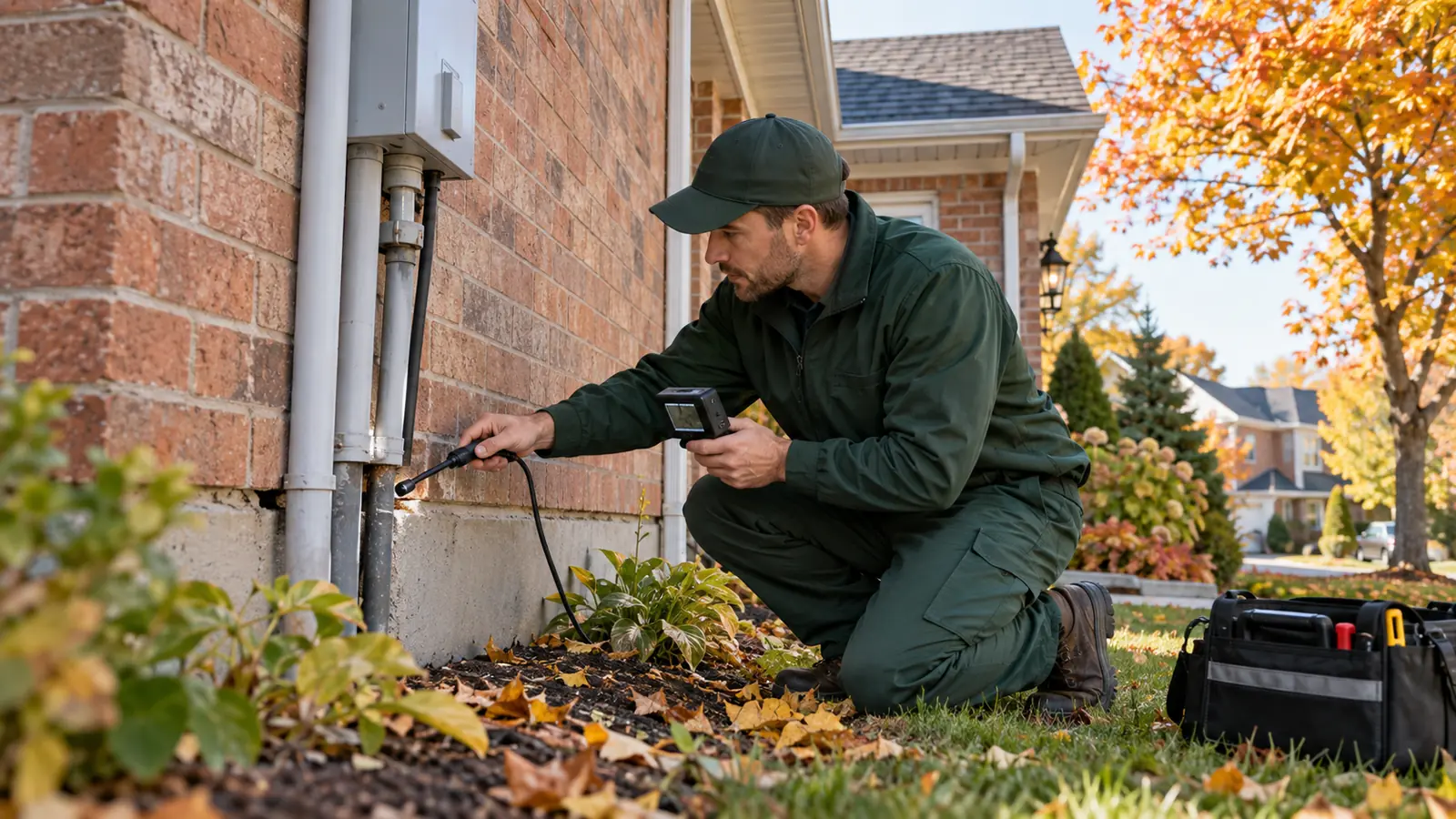
Quality Affordable Pest Control provides mice, rat, and squirrel removal across the GTA, with same-day fall inspections available.
Frequently Asked Questions
All three respond to the same seasonal trigger — dropping outdoor temperatures push them to seek warm, sheltered indoor spaces for winter, which is why activity for all three typically increases together starting in September.
Timing and sound are the fastest indicators. Squirrels are active during the day with heavier movement; mice are active at night with light, quick scratching; rats are also nocturnal but heavier and louder than mice, often with visible grease marks along travel routes.
Yes. Since all three are drawn to the same seasonal conditions and often use different entry points (squirrels via the roofline, mice and rats via foundation gaps), a single property can genuinely deal with more than one at once, especially in homes with multiple unaddressed entry points.
Early-to-mid September, before activity peaks, gives the best results — sealing entry points before any of the three have fully settled in is far easier than addressing an established population once winter arrives.
Leave a Reply