
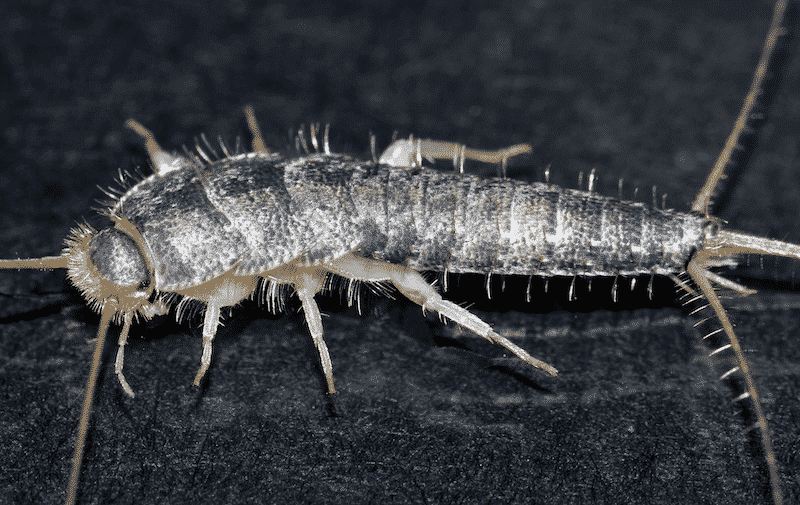
Silverfish appearing beside a basement box or bathroom baseboard can be easy to overlook. If you keep finding them, a closer inspection can reveal where shelter, stored materials and moisture are coming together. For Whitby homes with finished basements, utility rooms or long-term storage, the best starting point is a careful room check.
Confirm what you are seeing
Silverfish are slender, wingless insects with long antennae and three tail-like appendages. They move quickly and are often noticed when a light is switched on or a stored item is moved. A clear photo can help distinguish them from house centipedes, earwigs and other basement visitors.
Record the room and the exact spot where each insect appeared. Finding an insect in a bathtub does not prove it came through the drain. Likewise, one sighting does not tell you whether there is a larger problem behind a wall. Identification and repeated observations are more useful than guessing.
Check the basement before treating the surface
Look at accessible plumbing, the laundry area, foundation edges and storage corners. Note musty smells, condensation, past water stains or damp cardboard. A pest inspection can identify insect activity, while a persistent water problem may also need attention from an appropriate building or plumbing professional.
In a Whitby home with a finished basement, check both the living area and the unfinished utility space. Look behind items that can be moved safely, but do not remove wall panels or disturb electrical equipment. In a basement apartment, share photographs and moisture concerns with the property manager so maintenance and pest work can be coordinated.
Protect paper, clothing and stored belongings
Silverfish can damage some paper products and starchy materials. Inspect book edges, wallpaper, cardboard and stored fabrics for irregular surface damage. Damage alone is not a reliable identification, so photograph the material as well as any insect you find.
Replace unnecessary cardboard storage with tightly closing containers where practical. Keep boxes off damp floors and leave enough space to inspect along walls. Sort old papers and packaging rather than shifting an entire pile to another room. This makes future sightings easier to track and reduces hidden storage areas.
Address moisture and housekeeping together
Repair leaks and improve ventilation where needed. A suitable dehumidifier may help with basement dampness, but it should not stand in for investigating water entry. Keep its filter and collection system maintained according to the manufacturer’s instructions.
Vacuum accessible cracks and storage edges as part of regular cleaning. Keep the room organised so new damage and insects are easier to spot. If you use monitoring traps, follow their instructions, keep them away from children and pets, and note their locations. Ask a technician how to interpret any captures.
When a Whitby pest inspection makes sense
Arrange an inspection if sightings continue, several rooms are involved, or stored items are being damaged. Tell the technician how long you have seen insects, whether you have addressed dampness, and what products have already been applied. Ask which maintenance changes matter most and how to check progress after treatment.
Avoid treating every basement insect as the same pest. A house centipede, a silverfish and a cockroach require different assessment. Broad, repeated spraying without identification can leave the underlying problem unresolved.
Get help with recurring basement insects
Quality Affordable Pest Control offers pest control in Whitby and can assess recurring insect activity in your home. Explore our residential pest control service or request a free estimate. Include a photo, the affected rooms and any dampness you have noticed so we can discuss the next step.
Leave a Reply