
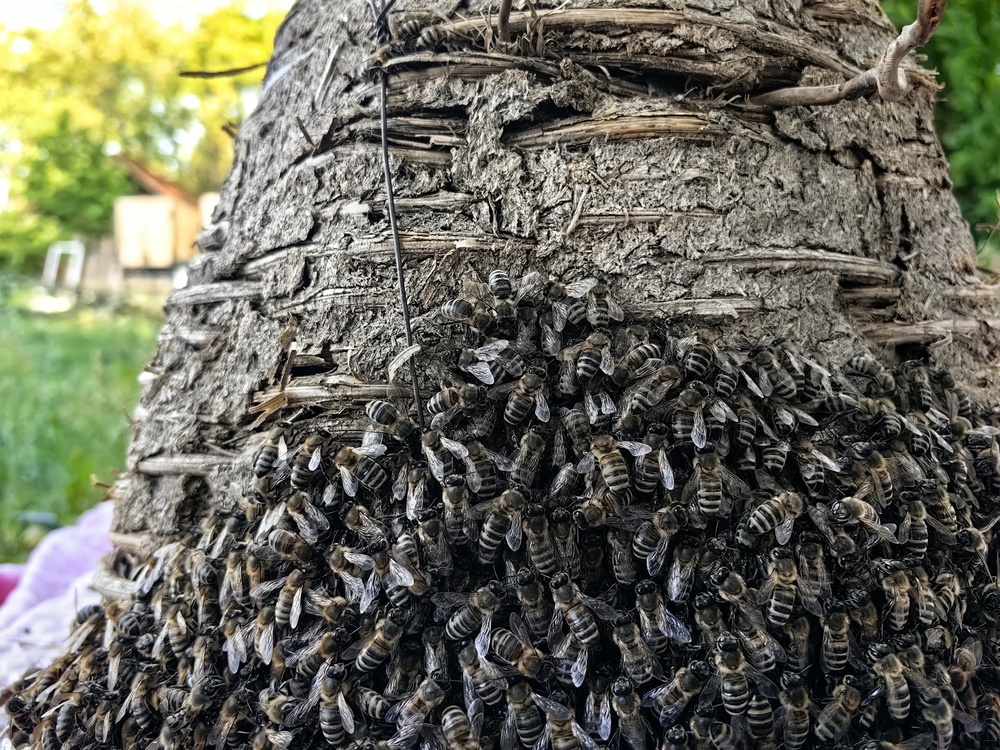
Discovering a colony of stinging insects on your property often prompts immediate action to protect your family from potential harm. Property owners frequently wonder exactly how long bees will stay around after a hive is removed from their residential structures. The answer depends heavily on the specific methods used during the initial extraction and the thoroughness of the cleanup. Most foraging insects return to their former location within a few hours of the primary extraction to find their home gone, often appearing as a confused, hovering group.
You can expect these returning insects to linger around the vacant space for approximately three to five days after the removal. These remaining insects simply lack the chemical signals required to locate their relocated queen in her new setting. If you suspect an active nest or need dependable pest control in Aurora to inspect your property, resolving these open cavities early is critical. A complete extraction requires careful attention to the structural cavity left behind to prevent future infestations, as homeowners often find that bees don’t simply vanish without a thorough sealing process.
Understanding this timeline helps alleviate the anxiety that follows a major extraction procedure on your property. The activity level will noticeably decrease each day as the solitary workers gradually disperse or reach the end of their lives. Quality Affordable Pest Control helps homeowners manage these situations by safely resolving the immediate threat and guiding you through what to expect during the days immediately following the procedure.
The Straggler Phenomenon: Why Bees Circle the Area
Following a thorough extraction, you will almost certainly notice dozens of insects circling the original hive location for several days. These insects are known as straggler bees, and they represent the foraging members of the colony that were away from the nest. Because they were gathering nectar during the removal process, they missed the relocation event entirely and are now confused. They return home only to find an empty cavity where their nest previously existed.
When these field workers return, they find empty space instead of their bustling home and familiar colony members. The worker bees will fly in agitated circles as they search for familiar pheromone trails that no longer exist. This chaotic flight pattern often alarms homeowners who believe the primary colony somehow survived the removal attempt. However, this is a normal phase of the process.
The remaining straggler bees will gradually disperse or die off over the next few days as they lose energy. Without a queen to support their life cycle, these solitary workers cannot sustain themselves indefinitely. A professional service anticipates this exact behavior during every standard live extraction. Technicians will advise you to avoid the immediate area until the activity subsides completely to prevent accidental stings.
The Removal Timeline: What to Expect Day by Day
During the first 24 hours, the returning foragers will aggressively search the immediate exterior area for their entrance. If you observe them closely, you will see them landing on the exact spot where the entrance previously existed before the hive was taken down.
As the days progress, you will see fewer insects hovering around the location as they slowly give up and drift elsewhere. Eventually, the remaining bees leave the area entirely to seek out other active colonies or simply perish naturally.
| Timeline After Hive Removal | Expected Bee Behavior & Activity Level |
| Day 1 (First 24 Hours) | High activity; foragers aggressively search for the old entrance and circle the area. |
| Days 2–3 | Moderate activity; insects begin to lose energy and fly in wider, less focused circles. |
| Days 4–5 | Low activity; remaining stragglers disperse to find other hives or die off naturally. |
| Day 6 and Beyond | Zero activity; the area should be completely clear if proper exclusion was completed. |
Most honey bees possess a relatively short lifespan during the active summer foraging months when they work hardest. A summer worker bee lives for roughly six weeks. Therefore, the few live bees left behind will not survive long without their supporting colony structure and queen. The natural attrition rate resolves the temporary problem of hovering insects relatively quickly without the need for further chemical intervention.
Why Professional Extraction Matters
Handling stinging insects requires specialized equipment and extensive knowledge of insect behavior patterns to achieve a safe outcome. Hiring professional removal services protects both your property and the local pollinator population from unnecessary harm. If you spot a colony, experts employ specific techniques that general contractors often overlook when dealing with complex infestations.
Many property owners mistakenly attempt to eliminate colonies using store-bought chemical sprays that are often ineffective. Killing the colony inside a wall creates secondary problems, including rotting comb and left-behind honey that can melt and damage your drywall, leading to severe structural issues and attracting secondary pests.
A licensed company like Quality Affordable Pest Control possesses the tools required to extract the comb cleanly and sanitize the area. They focus on removing the entire structural presence rather than merely treating the visible insects on the exterior.
You should always prioritize a live removal whenever the situation permits to protect the environment. A skilled handler can capture the queen and transport the population to an agricultural setting for pollinating plants. This approach supports local agriculture while solving your immediate property concerns in a responsible manner. Choosing to relocate the insects is the most environmentally responsible decision available for modern homeowners.
Common Hiding Spots on Private Property
Insects frequently establish their nests in surprisingly varied locations across residential properties throughout the spring and summer. You might discover them nesting in a sturdy tree limb in your backyard or garden area. They also frequently occupy hollow wall cavities, abandoned sheds, and poorly sealed attic spaces where trapped insects might struggle to escape. Any undisturbed void on your private property presents an attractive nesting opportunity for a scout searching for a new home.
Subterranean environments also provide excellent protection from harsh weather conditions and natural predators. Many utility workers discover colonies thriving inside underground water meters or irrigation boxes. Whether you need a team to clear a hidden colony or require an experienced exterminator in Scarborough to manage specialized stinging insect issues, identifying these entry points early is key to protecting your structure.
Protect Your House From Bees
You do not have to deal with the stress of stinging insects or lingering foragers on your own. Our team is ready to assist with all your removal needs. Quality Affordable Pest Control offers direct, effective solutions to clear your structure, safely manage returning foragers, and seal entry points to keep your property secure. Reach out to Quality Affordable Pest Control today to schedule your professional home inspection and protect your living space.
Leave a Reply