
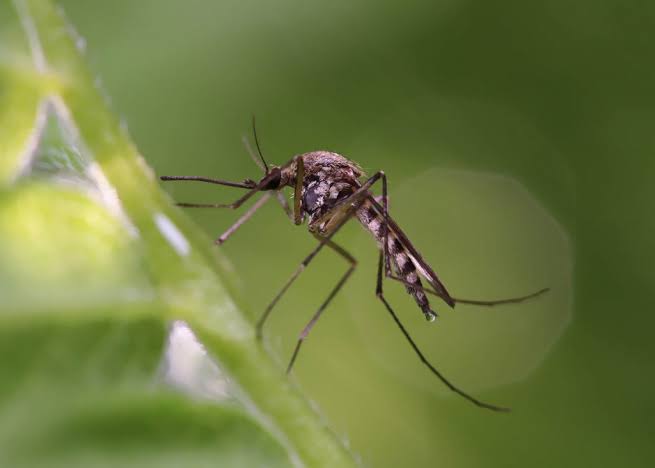
By mid-July, plenty of Ontario families have basically surrendered the backyard. The deck sits empty at dusk, the kids get bitten within minutes, and every evening barbecue turns into a slapping contest. Learning how to get rid of mosquitoes in your backyard is not about finding one magic product. It comes down to removing what draws them in, treating the spots where they breed, and knowing when the problem has grown bigger than a citronella candle.
The good news is that most backyard mosquito problems are fixable, and a lot of the work costs nothing.
Why Ontario Backyards Turn Into Mosquito Magnets
Mosquitoes need two things to thrive: warmth and still water. Ontario summers hand them plenty of both, especially through the humid stretch from late June into August.
Here is the part most homeowners get wrong. Mosquitoes do not travel far. Many of the species that bite in backyards spend their entire lives within a couple hundred metres of where they hatched. So the mosquitoes chewing on you at dusk almost certainly bred on your property or a neighbour’s, not in some distant swamp.
Technicians who treat GTA yards all summer see the same thing on inspection after inspection. The homeowner is convinced the bugs are drifting in from a nearby ravine, when the actual nursery is a clogged gutter or a forgotten kids’ pool ten feet from the patio.
Standing water is the whole game. A mosquito can go from egg to biting adult in about a week, and it only needs a bottle cap’s worth of water to pull it off.
The West Nile Question: How Worried Should Ontario Homeowners Be?
West Nile virus is the reason mosquito control in Ontario is a health matter and not just a comfort one. The virus is carried mainly by Culex mosquitoes, which feed on birds and then on people, and it has been established across southern Ontario for years.
Most people who get infected never feel sick, or come down with mild flu-like symptoms. A small percentage develop serious illness, and that risk climbs for older adults and anyone with a weakened immune system. Public health units across the province track West Nile Ontario activity every summer and post advisories when infected mosquito pools show up locally.
The practical takeaway is simple. The same steps that make a yard livable again also lower the odds of a bite from a West Nile carrier. Fewer breeding sites means fewer mosquitoes, which means less risk.
How to Get Rid of Mosquitoes in Your Backyard, Step by Step
Start with the source. No spray, plant, or gadget matters if standing water is left sitting around, so that job comes first.
Kill the Standing Water First
Walk the whole property once a week through the summer and empty anything holding water. The usual suspects:
- Clogged eavestroughs and downspouts, where leaf debris traps water for weeks at a time. This is the single most common breeding site found on backyard inspections.
- Plant saucers, buckets, and wheelbarrows left out after rain. Tip them over, drill drainage holes, or store them upside down.
- Kids’ pools, birdbaths, and pet bowls that sit untouched for days. Dump and refill these every two or three days at a minimum.
- Tarps, recycling bins, and old tires that collect pockets of rain in their folds and rims.
- Low spots in the lawn and blocked drains that pond after every storm and take days to dry out.
Once the water is handled, the rest of the steps actually start to work.
Keep the grass cut and the shrubs trimmed. Adult mosquitoes rest in cool, shady vegetation during the heat of the day, and an overgrown yard gives them everywhere to hide. Get some air moving, too. Mosquitoes are weak fliers, so a simple oscillating fan on the deck makes it genuinely hard for them to land on anyone sitting there. Rethink the lighting as well, since standard white bulbs pull insects in from all over. Warm LED or yellow “bug” bulbs attract far fewer.
For breeding sites you cannot drain, like a rain barrel or a decorative pond, mosquito dunks are worth knowing about. They contain Bti, a naturally occurring bacteria that kills mosquito larvae while staying safe around pets, fish, and birds when used as directed.
What Actually Works and What Just Wastes Money
Not every product on the hardware store shelf earns its price.
Citronella candles and wristbands do very little beyond the few centimetres right next to them. Bug zappers are worse. They mostly fry harmless moths and beetles while barely denting the mosquito population, and some research suggests they can pull even more insects into the yard. Ultrasonic repeller apps and plug-in gadgets have never held up in testing.
What does work is less exciting but far more effective: eliminating standing water, using a DEET or icaridin repellent on skin for anyone out in the evening, adding physical barriers like screened porches, and booking professional treatment for stubborn cases.
The pros will tell you the honest truth here, which is that one homeowner doing everything right can still lose the fight if the yard next door is a breeding ground. Mosquitoes do not respect property lines.
When Your Backyard Mosquito Problem Needs a Pro
Some yards stay miserable no matter how diligent the homeowner is. Large lots, properties backing onto wetlands or ravines, and homes under heavy tree cover often need more than a rake and a garden hose can deliver.
A professional mosquito control service treats the shaded resting areas where adult mosquitoes hide and applies larvicide to standing water that cannot be drained, knocking the population down for weeks at a stretch. Barrier treatments timed through the season keep numbers low during the worst of the summer, which matters most for families who host outdoors or anyone in a higher-risk group for West Nile.
If the backyard has become unusable and the do-it-yourself steps are not cutting it, that is the moment to bring in a licensed team.
Getting rid of mosquitoes in your backyard is rarely about one big fix. It is a handful of small, repeatable habits: dump the water, cut the grass, move the air, and treat whatever you cannot drain. Keep those up through an Ontario summer and the yard becomes livable again, the bites fall off, and your West Nile risk drops right alongside the mosquito count.
Leave a Reply