
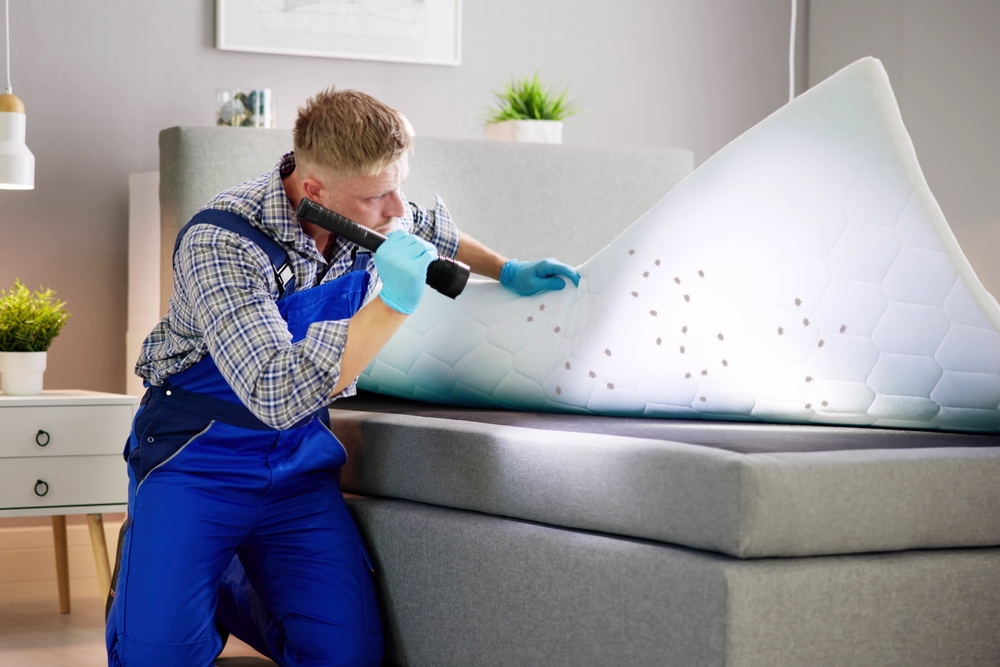
You invest in a professional treatment to eliminate unwanted guests. Asking why you see more bugs after a service is a common concern for many homeowners. This situation often causes alarm for residents who expect pests to vanish the moment the technician leaves. A sudden increase in insect activity is a standard reaction to professional grade applications. It signals that the products are working as intended by disrupting the normal habits and homes of the pests. A company like Quality Affordable Pest Control specializes in these treatments, confirming that every corner of your property is addressed during a service call to achieve the best results.
Pests generally prefer to remain hidden in dark areas like wall voids, cracks, and crevices. They survive by staying out of sight and only emerging when they feel safe or need to feed. When a professional applies a treatment, these safe spots become uninhabitable or toxic for the insects. The materials force them to abandon their nests and move into open areas where you are more likely to see them.
This period of higher visibility is temporary and usually leads to a large drop in the overall pest population. Understanding the biological reasons behind this surge can help you manage your expectations and avoid unnecessary panic. We will examine why this happens, how long it lasts, and what you should do during this transition phase of your removal.
The Primary Reason for Increased Sightings
The main reason you observe more bugs involves the specific formulation of modern products. Many treatments use flushing agents designed to irritate insects and drive them out of deep hiding spots. These agents make the pests uncomfortable enough to leave their sanctuary in search of new shelter. As they scramble for safety, they often end up on your floors, counters, and walls. If you are seeking professional pest control in Whitby, choosing a team that understands these biological reactions is vital for your peace of mind.
Another factor is the neurological impact that certain products have on the physical coordination and movement of a bug. Many items target the central nervous system of the insect, causing a state of confusion. This loss of control forces them to wander into open spaces they would typically avoid during daylight hours. A bug stumbling across your kitchen floor is likely in the final stages of the treatment cycle. A company like Quality Affordable Pest Control uses methods that make sure these pests are thoroughly reached even in the most difficult areas of a home.
Disruption of Colony Communication
The disruption of pheromone trails also contributes to the chaos you witness in the days following an appointment. Social insects like ants and cockroaches rely on chemical signals to navigate their environment and locate food sources.
Treatment often masks or destroys these invisible pathways, leaving the insects disoriented and scattered throughout your home. They roam aimlessly because their map of the world has been erased by the professional application. This is a positive sign that the colony structure is failing. When performing pest control in Toronto, our technicians focus on these biological triggers to ensure that even the most established urban colonies are dismantled.
Common Pests That React with Increased Activity
Different insect species react to treatments in varied ways depending on their biology and nesting habits. Cockroaches are perhaps the most notorious for this behavior because they live in tight clusters deep within structures. A treatment that reaches these spots will cause a mass move of roaches seeking fresh air and safety. You might see roaches moving slowly or appearing dazed in the middle of the day, which is abnormal behavior for a healthy insect.
Ants also exhibit large behavioral changes when their trails are disrupted by liquid applications or baits. They may scatter in random directions rather than following their usual neat lines. This scattering can make the infestation appear larger than it actually is because the ants are spread out. However, this is often a sign that the colony structure is breaking down and the workers are confused. For residents dealing with larger vermin issues, such as needing a rat exterminator, a similar logic applies: as their environment becomes hostile, they move in ways that make them more visible before they are eliminated.
Expected Timeline After a Service Call
The timeline for activity follows a predictable pattern for most general services. You should expect the highest volume of sightings to occur within the first 24 to 72 hours. This is the period when the flushing agents are most active and the insects are most agitated. The bugs you see during this window are typically dying and will not be able to reproduce. It is important to stay patient during this phase and trust the process.
Activity levels should begin to drop off as you move into the second week following the appointment. You will likely find more dead insects than live ones as the product continues to take effect. The surviving population decreases rapidly as they succumb to the effects of the treatment. Continued sightings of sluggish or dying bugs are normal and indicate the barrier is still working. By the third or fourth week, the visible population should be minimal or completely gone. If you continue to see healthy, active insects after this period, a follow up visit might be necessary. A company like Quality Affordable Pest Control stands by its work and can help address any persistent issues that remain after the initial flush out period.
Managing Your Home During the Flush Out
Your actions during the days following a service can have a large impact on the success of the treatment. It is vital to resist the urge to use store bought bug sprays on the insects you see. Consumer grade sprays often act as repellents, which can counteract the professional products used by the technician. Using these store bought chemicals might cause the pests to avoid the treated areas, delaying their elimination.
You should focus on physically removing any dead insects you find to maintain sanitation and prevent attracting other pests. Use a vacuum or broom to dispose of the remains, but try to leave the treated perimeter alone. Keeping the floors dry and avoiding mopping near the baseboards for a few days preserves the chemical barrier. This allows the product to remain potent for any stragglers that emerge later in the week.
Distinguishing Normal from Abnormal Activity
It is important to tell the difference between the expected flush out effect and a treatment failure. Normal post treatment activity involves insects that appear slow or disoriented as they wander in the open. You might find them twitching on their backs or struggling to walk in a straight line. These are clear signs that the active ingredients have reached their systems. If you have sought pest control in Aurora, you want to see these signs of a successful application, as they confirm the treatment is actively targeting the pests in your specific environment.
Abnormal activity that might warrant a call to your provider includes seeing energetic, fast moving pests weeks later. If the bugs seem unaffected and are moving with speed, they may not have contacted the product. Additionally, seeing baby insects or larvae weeks after treatment could suggest that a breeding cycle was not broken. This scenario often requires a change of strategy or a different type of application.
Seasonal Factors and Environment
Weather conditions and seasonal changes can change the number of bugs you see following a service visit. Extreme heat or heavy rain often drives pests indoors at the same time you might schedule a treatment. If a service happens during a sudden weather shift, the increase in bugs might be environmental rather than from the chemical. The treatment will eventually handle these invaders, but the initial volume may seem large.
Spring and summer are peak breeding seasons for most household pests, leading to higher populations overall. A treatment performed during these months is fighting against a reproductive cycle that is moving fast. The flush out effect is more dramatic because there are simply more insects hiding in the walls to begin with. Conversely, winter treatments usually result in fewer sightings because the rate of activity for insects slows down in the cold. Whether you are dealing with seasonal ants or need a mouse exterminator in Georgina due to the cold driving rodents inside, the timing of your service affects what you see in the aftermath.
Final Steps for a Pest Free Home
Seeing bugs after paying for their removal is not fun, but taking the right steps can help. First, document where you are seeing the pests and take photos if possible. This information is valuable for future visits as it highlights potential problem areas or entry points. It allows the professional to adjust their plan based on real data. Next, focus on exclusion tactics that prevent new pests from entering while the current ones are dying off. Seal gaps around windows, doors, and pipes to cut off routes for the insect population.
Finally, talk to your provider about what you are observing after the visit. If the activity does not stop after two weeks, request a follow up service. Most professional companies offer guarantees and will return to treat stubborn areas. A company like Quality Affordable Pest Control is dedicated to making sure your home remains a comfortable place for you and your family. Within a few weeks, the surge of activity will fade, leaving your home clear once again. Don’t let pests overstay their welcome. Contact us today to schedule your inspection and reclaim your peace of mind!