
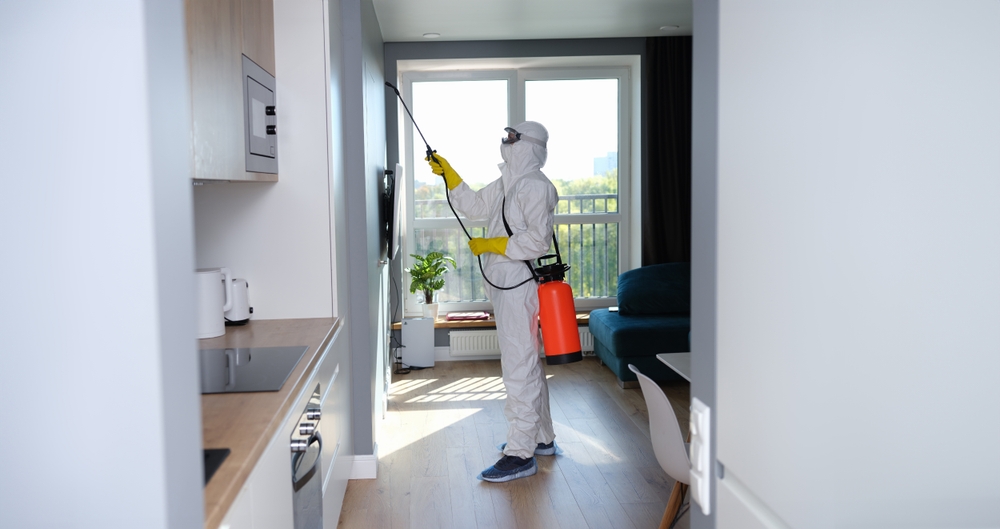
Discovering a cockroach scurrying across your kitchen counter or hearing the tell-tale scratching of rodents in the walls is enough to make any renter’s skin crawl. Beyond the immediate “ick” factor, these sightings spark genuine worries about health risks, food contamination, and the potential destruction of your personal belongings.
Once the initial panic subsides, the focus usually shifts to a more practical concern: who is going to pay for this? The question of whether landlords are responsible for pest control is a frequent point of contention in rental markets. It is rarely a simple “yes” or “no” matter, as the answer often depends on your specific geographic location, the language found in your lease, and what or who actually caused the pests to show up.
Most tenants assume that because they pay rent, the property owner is automatically on the hook for every maintenance issue, including bugs. However, rental property pest control often falls into a legal gray area that requires a bit of detective work. State and provincial laws generally demand that owners keep a property habitable, but those same laws require tenants to keep the home clean and sanitary.
Understanding where that legal line is drawn can save you a significant amount of money in extermination fees. When disputes arise, having an expert team like Quality Affordable Pest Control evaluate the premises can provide the objective evidence needed to determine responsibility.
The Implied Warranty of Habitability
At the heart of almost every rental dispute is a legal doctrine known as the implied warranty of habitability. This concept is a fundamental part of modern housing law, stating that every rental unit must be fit for human beings to live in from the day the lease starts until the day it ends. A home that is overrun by rats, cockroaches, or bed bugs is generally considered unfit for habitation by modern health standards.
This warranty acts as a legal mandate for landlords to repair significant defects that threaten the health or safety of the occupants. Because pests are known carriers of disease and can cause structural damage, a serious infestation usually triggers this warranty. If a landlord ignores a major pest problem, they are likely in breach of their legal obligation to provide safe housing. However, this is not a one-way street. The warranty assumes the landlord provides a solid, well-maintained structure, while the tenant handles the day-to-day cleanliness. If your own actions, like leaving piles of unwashed dishes or garbage everywhere, lead to the infestation, the warranty may not protect your wallet.
Determining Liability: When the Landlord Pays
Landlords are typically held responsible for pest control when the problem is linked to the physical state of the building. If a property has a cracked foundation, gaps around window frames, or holes where utility pipes enter the walls, pests will find their way inside regardless of how clean the tenant is. Fixing these entry points is a structural maintenance task that falls squarely on the property owner. For those seeking pest control in Bradford, it is important to note that local habitability standards emphasize the landlord’s duty to keep the building envelope sealed against intruders.
Another scenario where the landlord usually pays is when the pests were there before you moved in. A new tenant should never be expected to pay to clear out a roach infestation left behind by the previous occupant. This is why a thorough move-in inspection is so critical; if you spot evidence of pests on day one, it clearly establishes that the issue is a pre-existing condition. Furthermore, seasonal pests that are purely environmental, such as termites eating the wood framing or squirrels nesting in the attic, are almost always the landlord’s burden. These issues threaten the building’s integrity, and the owner must act to protect their investment.
When the Burden Shifts to the Tenant
The financial responsibility for extermination shifts to the tenant when their lifestyle or lack of sanitation is the primary attractant for pests. If an exterminator from Quality Affordable Pest Control arrives and finds that the kitchen is covered in grease, trash is overflowing, or food is stored in open boxes, the landlord has a strong case to pass the bill to the tenant. In these instances, the pests are not there because of a hole in the wall; they are there because they have found a consistent food source provided by the occupant.
Pet ownership is another major factor in liability. If you have a cat or dog and the apartment becomes infested with fleas or ticks, you can expect the landlord to hold you responsible for the treatment costs. While many renters believe their pet deposit covers this, those deposits are often reserved for physical damage like stained carpets or chewed baseboards. Active pest outbreaks caused by pets are usually considered an additional expense for the tenant. Similarly, “hitchhiker” pests like bed bugs can cause massive disputes. If you return from a vacation and bed bugs appear shortly after, the landlord will likely argue that you introduced them to the building, making you liable for the professional treatment of your unit and potentially surrounding units.
Pest Specifics and Local Rules
Not all pests are treated the same under the law. Some infestations are so difficult to manage that specific ordinances have been created to handle them.
- Bed Bugs: Because they spread so easily through walls and electrical outlets, many jurisdictions now require landlords to pay for bed bug treatments regardless of who brought them in. The logic is that if one unit isn’t treated properly, the whole building is at risk.
- Rodents: Rats and mice are almost always tied to structural integrity. Since they need a physical opening to enter, the responsibility to block those holes and trap the existing population usually stays with the landlord.
- Insects: Ants and cockroaches are the most common source of “cleanliness” disputes. If you are dealing with a massive colony, you might need a specialized ant exterminator in Oshawa to determine if the ants are nesting in the building’s wet wood (a landlord issue) or simply coming in for spilled sugar (a tenant issue).
How to Protect Your Rights as a Tenant
If you discover pests, the way you handle the first 48 hours is vital. You must create a paper trail that proves you are a responsible tenant who reported the issue immediately.
- Gather Evidence: Take photos of the pests, their droppings, and any visible entry points like gaps under doors. Do not clean up everything before you have a record of the extent of the problem.
- Written Notice: Never rely on a phone call or a verbal conversation in the hallway. Send a formal email or a certified letter to your landlord. This creates a legal record of the date you asked for help.
- Cooperation: If the landlord sends a professional from Quality Affordable Pest Control to perform pest control in Aurora, you must cooperate fully with the preparation instructions. This might include emptying your cabinets or washing all your bedding in hot water. If you fail to prepare, and the treatment fails, the landlord can claim your negligence made the problem worse.
The Risks of Rent Withholding
It is tempting to stop paying rent when you feel your home is being invaded by bugs, but this is a dangerous move. In many regions, withholding rent without following a specific legal process can lead to a fast-track eviction. Instead of simply keeping the money, many legal experts recommend putting the rent into an escrow account. This demonstrates to a judge that you have the money and are willing to pay as soon as the unit is made habitable again. For those navigating the complexities of pest control in Toronto, staying compliant with the Residential Tenancies Act is essential to ensuring your rights are protected while the infestation is being cleared. Always check your local provincial or state laws before taking this step, as some areas require you to give the landlord a specific “cure period” (usually 7 to 14 days) to fix the issue before you can take further legal action.
Conclusion
At the end of the day, the battle over pest control in a rental property comes down to the source of the infestation. Landlords are obligated to provide a sealed, habitable structure that is free of vermin at the start of a lease. Tenants are obligated to keep that structure clean and avoid bringing in pests through poor sanitation or infested furniture.
If you find yourself in the middle of a pest problem, do not let the situation linger. Small problems quickly become expensive nightmares. Document everything, communicate in writing, and lean on the expertise of professionals like Quality Affordable Pest Control to identify the source and provide a solution. By understanding the intersection of the lease agreement and the implied warranty of habitability, you can advocate for yourself and make certain your living space remains healthy and pest-free. Don’t let a dispute delay your relief. Whether you are a landlord protecting your investment or a tenant reclaiming your home, Quality Affordable Pest Control is here to help. Contact us today for a professional inspection and a clear path to a pest-free property!