
Imagine driving down the highway and suddenly noticing a large spider dropping from your rearview mirror. Finding a live pest inside your moving vehicle causes immediate panic and creates serious safety concerns for everyone inside. Because of this common nightmare, you might naturally wonder, do exterminators service cars? Most people assume pest control is limited to houses or offices, but automotive pest management is a growing necessity.
Yes, many professional companies treat automobiles, though the process differs significantly from residential treatments. Resolving a car infestation requires specialized knowledge that goes far beyond standard household bug sprays. At Quality Affordable Pest Control, we explore how trained professionals handle automotive pest control needs and what you can expect during the process. We recognize that your vehicle is an extension of your home, and keeping it sanitary is vital for your daily commute.
Why Pests Invade Vehicles
Vehicles offer surprisingly comfortable environments for various types of destructive pests throughout the year. Cars sit outside in the elements, providing a dry refuge during heavy rain or periods of extreme heat. Pests actively seek out these metal shelters to survive harsh weather conditions and escape local predators. While your car may feel like a sealed bubble, it actually features numerous entry points, from air intake vents to cable housings, that small intruders navigate with ease.
Food sources attract insects and rodents alike into the passenger cabin. Dropped fries, spilled coffee, and forgotten grocery bags create a feast for hungry invaders. Once they find a reliable food source, pests rarely leave the environment on their own. This is why residents looking for pest control services in Markham often find that their car problems are linked to the environment where they park. Proximity to restaurants, parks, or even bird feeders can turn your driveway into a high-traffic zone for scavenging animals.
Comparison of Common Vehicle Invaders
| Pest Type | Primary Attraction | Common Hiding Spot | Risk Level |
| Mice/Rats | Warmth and soy-based wires | Engine bay, dashboard | High |
| Cockroaches | Food crumbs and spills | Under seats, center console | Moderate |
| Ants | Sugary drinks and debris | Door panels, floor mats | Low |
| Bed Bugs | Human hitchhikers | Upholstery seams, carpets | High |
Moisture and Shelter from Extreme Weather
Moisture accumulation draws unwanted insects inside your door panels and floorboards. A slight leak in your sunroof or a spilled water bottle provides enough hydration to sustain a cockroach colony for weeks. Repairing these minor leaks quickly stops insects from establishing a permanent home inside your automobile. Beyond spills, even the simple accumulation of damp floor mats during the winter can create a humid microclimate that attracts silverfish or sowbugs.
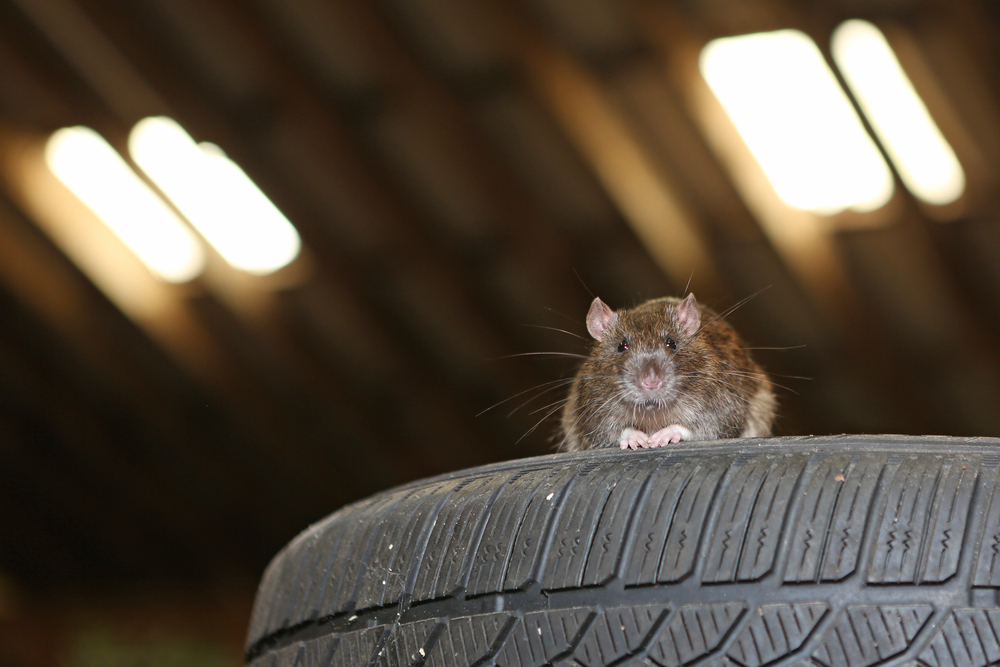
During freezing winter months, animals desperately need warm places to build their nests. A recently driven car engine radiates heat for several hours, acting as a giant radiator for freezing mice. They crawl up through the wheel wells and settle comfortably on top of the warm engine block. If you suspect an animal has moved into your vehicle, contacting an exterminator in Pickering can help you secure the engine bay before wiring damage occurs. This proactive step is much cheaper than replacing a complex wiring harness.
Clear Signs of a Car Infestation
Many drivers miss the early warning signs of an automotive pest infestation. Pests leave behind subtle physical clues before multiplying into a massive headache. Unexplained odors often serve as the first reliable indicator of trouble. Rodent urine creates a strong, ammonia-like scent that deeply permeates the fabric seats and floor mats, often becoming more pungent when the heater is turned on.
Finding small, dark droppings on your floorboards provides undeniable proof of an active intruder. Mice leave pellet-shaped feces, while roach droppings strongly resemble dark coffee grounds. You might also spot chewed paper, torn insulation, or scattered pet food underneath the passenger seats. Look closely for tiny grease marks along the plastic trim near the doors and floorboards. Rodents leave behind dirty smudge marks from the oils on their fur as they travel identical paths day after day.
Professional Treatment Methods for Vehicles
Treating a car requires specialized knowledge and careful chemical application methods. Exterminators cannot simply spray standard household chemicals inside a confined space where people breathe daily. They must follow strict safety protocols to protect the driver and passengers from toxic exposure. This is why professional intervention is so critical; we use products specifically labeled for use in sensitive, confined environments.
Targeted Chemical Treatments
Professionals often rely on targeted baits and sticky traps rather than airborne chemical sprays. Gel baits work exceptionally well for roaches and ants hiding deep within the plastic dashboard components. For persistent rodent problems, exterminators place secure bait stations safely under the vehicle. They never throw loose poison inside the cabin where pets or children might find it, guaranteeing a safe environment for your family.
Heat Treatments and Fumigation
For severe bed bug or roach problems, exterminators might utilize industrial heat treatments. They pump high-temperature air into the sealed vehicle to eliminate pests at all life stages, including eggs. Fumigation serves as an absolute last resort for extremely stubborn wood-boring insects or massive infestations. The exterminator places the entire vehicle inside a sealed tent and releases a penetrating gas.
How to Prepare Your Car for an Exterminator
To guarantee the best possible results, homeowners should follow a specific preparation protocol:
- Remove All Personal Items: Clear out the trunk, glove compartment, and door pockets completely.
- Clean Up Trash and Debris: Throw away empty bottles, food wrappers, and loose papers.
- Vacuum Thoroughly: Use a high-powered vacuum to remove as many crumbs as possible from between seat cushions.
- Document Pest Sightings: Write down exactly where you spotted the bugs or found rodent droppings.
Conclusion
Dealing with pests in your vehicle causes undeniable stress and immense frustration for any driver. Fortunately, professional exterminators possess the proper tools and specialized knowledge to resolve these automotive infestations safely and effectively. You certainly do not have to share your morning commute with unwanted insect passengers or destructive rodents.
By understanding how pests enter and taking proactive steps, you can effectively protect your car. Regular cleaning and strategic parking choices dramatically reduce your risk of encountering future problems. If you are ready to reclaim your vehicle and drive in peace, contact us today to schedule a professional inspection and get the expert help you need.