
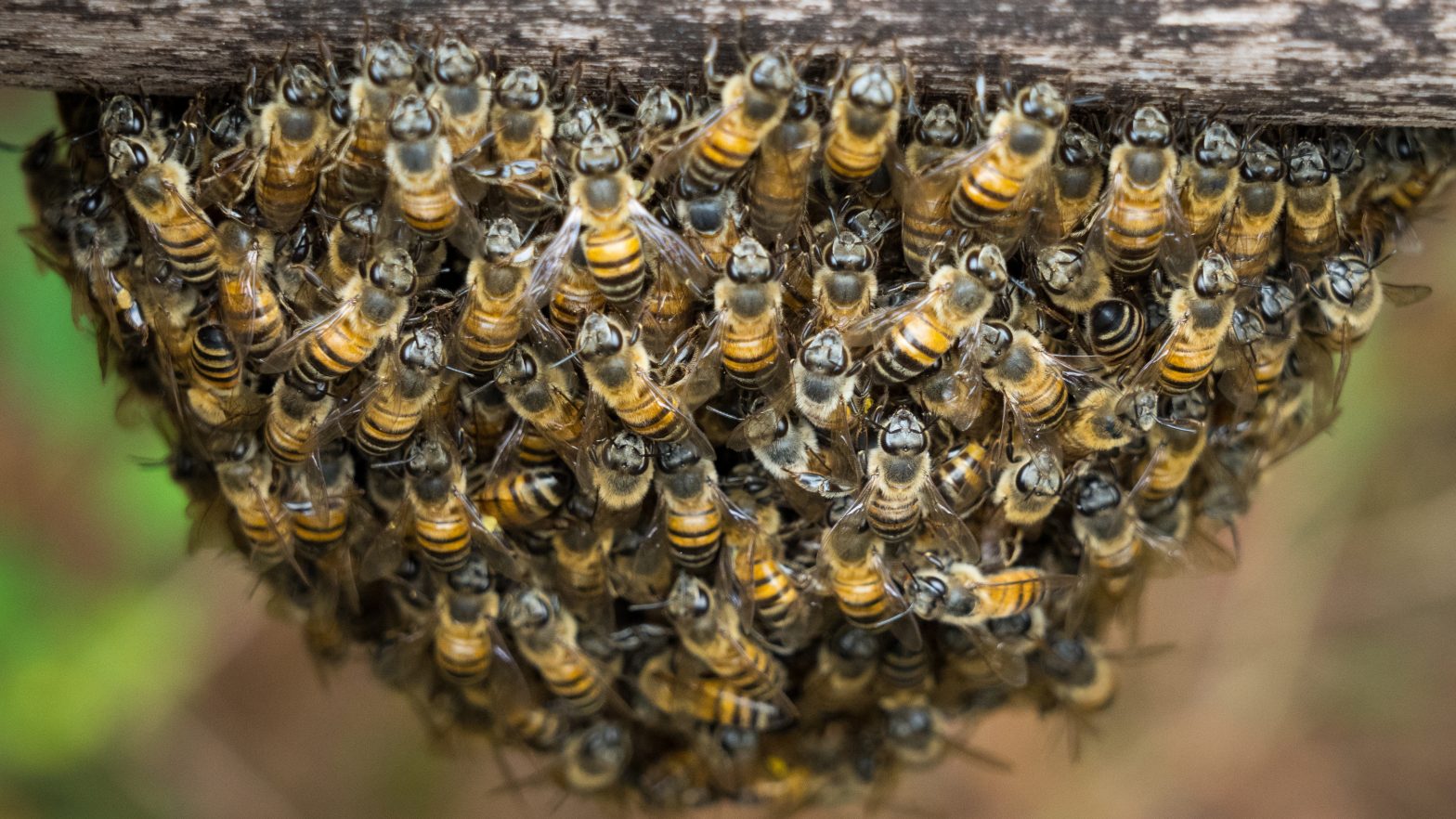
You see a buzzing cluster under your roof or hanging from a tree, and your first thought is usually simple. You wonder if a bees’ nest can be removed without everyone getting stung and the bees being wiped out. It is a frightening situation for any property owner to face.
Right after that initial panic, a second thought usually shows up: Can a bees’ nest be removed legally and safely, or are you stuck living with it? Homeowners often feel trapped by the potential cost and danger. Whether you own your home, manage a commercial property, or are looking after a family estate, this can feel like an overwhelming problem on your to-do list.
Most people today care about the environment and hate the idea of harming pollinators. This is where professional insight from teams like Quality Affordable Pest Control becomes invaluable helping you manage your safety while respecting the local ecosystem. If you’re dealing with a persistent pest problem, it’s best to call a professional exterminator in Bradford that residents rely on for quick and effective service.
Finding the Right Balance
So you are trying to manage two real concerns at once. You want safety and comfort, but you also want to protect bees that help feed the planet. This article guides you through that exact conflict. You will learn what kind of nest you might be looking at, how the removal process works, and why experts like Quality Affordable Pest Control are the preferred choice for handling tricky situations. Whether you are seeking pest control in Toronto for a downtown property or need assistance in the suburbs, the principles of safe removal remain the same.
Can A Bees’ Nest Be Removed Or Should It Stay?
The simple truth most people never hear is this: Yes, a bees’ nest can be removed, but whether it should be depends on three things:
- The specific insect species.
- Proximity to people and high-traffic areas.
- Local regulations and environmental protections.
Not every buzzing insect requires the same level of intervention. Sometimes, leaving them alone is the best option if they are far from the structure. However, if the nest is near an entrance, a walkway, or a deck, a professional assessment is necessary.
First Step: Are You Even Dealing With Bees?
Before you stress about removal, you need to figure out what is actually living there. Identification is the most critical part of pest management. You do not want to treat a harmless insect as a threat.
People often say “bees” for anything that flies and stings, but wasps and hornets often get mixed in. Those are managed in very different ways from honey bees. Wasps can be much more aggressive and may require a dedicated service from Quality Affordable Pest Control to make sure they are handled without putting your family or tenants at risk. If you are looking for reliable pest control in Aurora, identifying the exact species is the first thing our technicians will do upon arrival.
| Type | Look | Common Nest Spots | Typical Action |
| Honey bees | Hairy, golden brown | Walls, hollow trees, attics | Live removal/relocation |
| Bumble bees | Round, fuzzy, loud | Ground holes, bird boxes | Often left alone unless risky |
| Wasps / Hornets | Thin waist, smooth | Eaves, bushes, roof edges | Professional pest control |
Swarm Or Established Nest?
Next, look at how the bees are gathered. A temporary visit is much easier to manage. If you see a tight clump of bees hanging from a branch with no built structure, that is likely a swarm. They are usually resting while scouts find a permanent home.
If you see combs built into a wall or roof, you have an established nest. These are harder to remove because the bees have wax, honey, and brood woven deep into the space. Quality Affordable Pest Control specializes in identifying these structures early to prevent them from becoming a massive construction project later.
How Professionals Safely Remove Honey Bee Nests
With the right team, it is possible to remove bees without harming your building’s structure permanently. Here is how the typical process plays out:
1. Inspection And Planning
First, a professional from Quality Affordable Pest Control assesses the difficulty and the tools required. They use modern techniques to pinpoint exactly where the comb is located behind a wall. This prevents unnecessary damage and saves you money on repairs.
2. Gently Moving The Bees
Once the plan is set, the team suits up in protective gear. Many live removers use specialized vacuums built to collect bees without killing them. This allows the colony to be transported safely to a new location, such as a local apiary.
3. Handling The Comb And Honey
The comb and honey cannot stay inside the wall. If left behind, the honey can melt, causing structural damage, mold, and attracting secondary pests like ants or roaches. Quality Affordable Pest Control makes sure the entire issue is removed and the area is cleaned thoroughly.
4. Relocation and Repair
The goal is always to relocate honey bee populations to a safe environment. Finally, the entry points are sealed with strong sealants or screens so a new swarm doesn’t move into the same “ideal” cavity next year.
What About Bees In The Wall Or Roof?
Bees entering a structure can build massive nests quickly. Homeowners often try “quick fixes,” like spraying foam into the entrance. Do not do this. This traps the bees inside and leads to rotting honey and brood inside your walls.
Live honey bee removal is the only clean way to solve this. If your home, office, or rental property has this issue, you want someone experienced. This is one case where “do it yourself” backfires. Finding a reliable exterminator serving Etobicoke that homeowners can trust is the first step toward reclaiming your property from unwanted pests and guaranteeing long-term peace of mind. Engaging Quality Affordable Pest Control makes sure the job is done right the first time, protecting the long-term integrity of the building.
Conclusion
Can a bees’ nest be removed safely, humanely, and effectively? Yes. By partnering with experts like Quality Affordable Pest Control, you make sure that you aren’t just “getting rid of a problem,” but are choosing a solution that is safe for your property and responsible toward the environment.
Next time you see that buzzing clump or notice a steady stream of bees heading into a wall crack, you don’t have to panic. With professional help, the nest can be moved, the bees can live on, and you can get back to your life with peace of mind.