
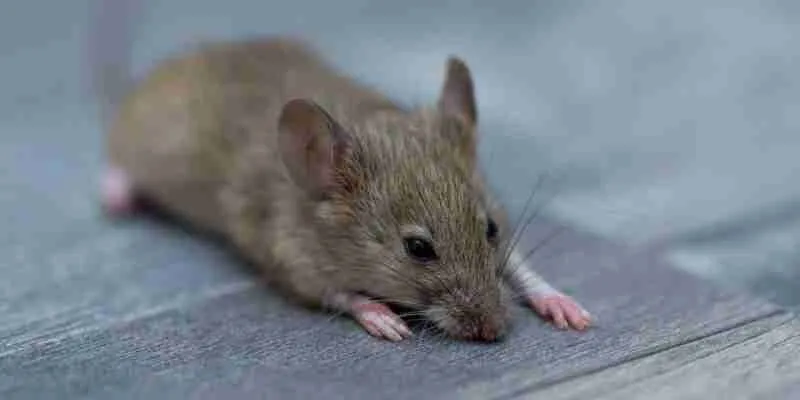
Before you can tackle the smell, you must find where it is coming from. Just spraying air freshener will not fix the issue.
The odor could be from a dead rodent trapped in a wall, attic, or under the floor. A dead rat smell is a pungent, decaying odor that gets stronger as the body decomposes, releasing gases like sulfur dioxide.
Alternatively, the smell could come from mouse urine and droppings. Mice and rats constantly leave a trail of urine to mark their territory, which has a sharp, ammonia-like scent.
- Use your nose to pinpoint the area where the rodent smell is strongest.
- Look for physical signs of an infestation, such as droppings, gnawed materials, or greasy rub marks along walls.
- Check hidden spots like behind appliances, inside cabinets, in crawl spaces, and within nesting material.
Rodent control in Whitby is essential for protecting your home’s structural integrity and preventing the spread of diseases carried by mice and rats.
Safety Gear: Don’t Skip This Step
Dealing with rodent waste is hazardous to your health. Common rodents carry diseases transmittable to humans. The Centers for Disease Control and Prevention (CDC) warns about viruses like Hantavirus, which can be present in rodent urine, droppings, and saliva.
Before you start cleaning, wear the right protective gear:
- Rubber gloves to protect your hands from direct contact.
- An N95 respirator mask to filter out tiny, harmful airborne particles. A simple dust mask will not suffice.
Removing the Source and Debris
Once you have located the source and have your safety gear on, it is time for removal. If you are struggling to find the entry points in a dense urban environment, seeking professional pest control in Toronto can provide the specialized equipment needed to see behind walls.
- Dispose of a Dead Rodent: Place the dead animal in a plastic bag, seal it tightly, and then place that bag inside another sealed plastic bag (double-bagging). Check your local regulations for proper disposal; most places permit placing it in your outdoor trash bin.
- Clean Up Waste: Do not sweep or vacuum droppings and nesting materials, as this kicks up harmful particles.
- Spray the area with a disinfectant until it is thoroughly soaked.
- Let it sit for about five to ten minutes.
- Use paper towels to wipe it all up.
- Put the soiled paper towels into a sealed plastic bag and throw them away.
- Wash Hands: Wash hands thoroughly with soap and warm water.
Your Guide on How to Remove Rodent Smell
With the physical source gone, you can now focus on the lingering odor. The rat or mouse smell gets absorbed into porous surfaces like drywall, wood, carpet, and insulation, which is why it sticks around.
Deep Cleaning and Disinfection
You need a strong cleaning solution that will break down the organic matter causing the foul smell.
- Enzymatic Cleaner: Look for an enzymatic cleaner, which digests the proteins in urine and other organic waste, destroying the odor at its source. Follow the directions on the bottle.
- Vinegar Solution: A mix of equal parts white vinegar and water is a great natural disinfectant and deodorizer. The vinegar helps neutralize the ammonia smell found in rodent urine.
- Bleach Solution: For non-porous hard surfaces, a diluted solution of 1 part bleach to 10 parts water can be used for disinfection after removing all debris. Never mix bleach with ammonia or other cleaners.
| Cleaning Agent | Best For | Safety Note |
| Enzymatic Cleaner | Urine, feces, bodily fluids on porous & hard surfaces. | Check the label for specific material compatibility. |
| White Vinegar & Water | Hard surfaces, light urine smells. | Safe for most surfaces, but can damage natural stones like marble. |
| Household Bleach | Disinfecting non-porous hard surfaces after cleaning. | Never mix with ammonia. Ensure good ventilation. |
Ventilate the Area
Fresh air is critical for getting rid of deep-set odor.
- Open all windows and doors to create a strong cross-breeze.
- Use fans to help push the stale air out and pull fresh air in.
- A HEPA air purifier can also help capture airborne particles.
For residents who need comprehensive local assistance, scheduling pest control in Aurora guarantees that a professional team can evaluate if the ventilation system itself has been contaminated.
Tackle Lingering Odors in Porous Surfaces
Soft materials like carpets, insulation, and drywall require extra attention.
- Steam Cleaning: Use a steam cleaner on carpets and upholstered furniture to penetrate deep into the fibers and remove odor-causing bacteria.
- Baking Soda: Sprinkle generously over carpets and upholstery. Let it sit for several hours or overnight, then vacuum it up thoroughly.
- Activated Charcoal: Place bags of activated charcoal in the smelliest areas to absorb odors from the air passively.
When the Smell Won’t Quit, Call a Pro
If the dead mouse smell persists, the source is likely in a place you cannot easily reach, such as inside a wall void or HVAC ductwork.
- If the smell is in your vents, you might need to have your ducts professionally cleaned. Do not run your HVAC system as it could spread harmful particles.
- For sources inside walls or other small spaces, you may need to cut a small hole in the drywall to find and remove the source. If you are not comfortable doing this, it is time to call in a professional pest control service.
Tip: Quality Affordable Pest Control specializes in finding and safely removing hidden sources of odors, and can handle complex removal in walls or ducts.
Prevention: Making Sure They Don’t Come Back
The final step is to make sure rodents cannot get back into your house. Quality Affordable Pest Control can also assist with exclusion services to prevent future issues.
Seal Entry Points
Rodents can fit through incredibly small holes (a mouse can fit through a dime-sized opening). Walk around the outside of your home and look for any potential entry points.
- Seal cracks and holes in your foundation with caulk or cement.
- Use steel wool around pipes before sealing with caulk, as rodents cannot chew through it.
- Install screens on vents and chimney openings.
- Add weather stripping to doors and windows to close gaps.
Cut Off the Food Supply
Inside, focus on eliminating their food source to prevent future infestations.
- Store all food, including pet food, in airtight containers made of glass or hard plastic.
- Clean up crumbs and spills immediately.
- Do not leave dirty dishes in the sink overnight.
The goal of preventing dead rodents in your walls is much better than dealing with removal options later. When facing an infestation, securing reliable pest removal in Bradford professionals is the quickest way to restore safety and cleanliness to your home.
Conclusion
You now have a clear plan for how to remove rodent smell from a house. Finding and removing the source, followed by a thorough deep clean with the right products and lots of fresh air, will break down the lingering odor.
It takes work, but a clean, fresh-smelling home is within your reach. By following these steps and taking preventative measures, including professional exclusion assistance from a company like Quality Affordable Pest Control, you can solve the problem for good. Get an estimate today!